Monthly Archives: April 2026

Home|2026|April

Jakemy JM-8192 vs JM-8193: Key Differences (Product Model, Function, and Quantity of Accessories) & Which One to Buy

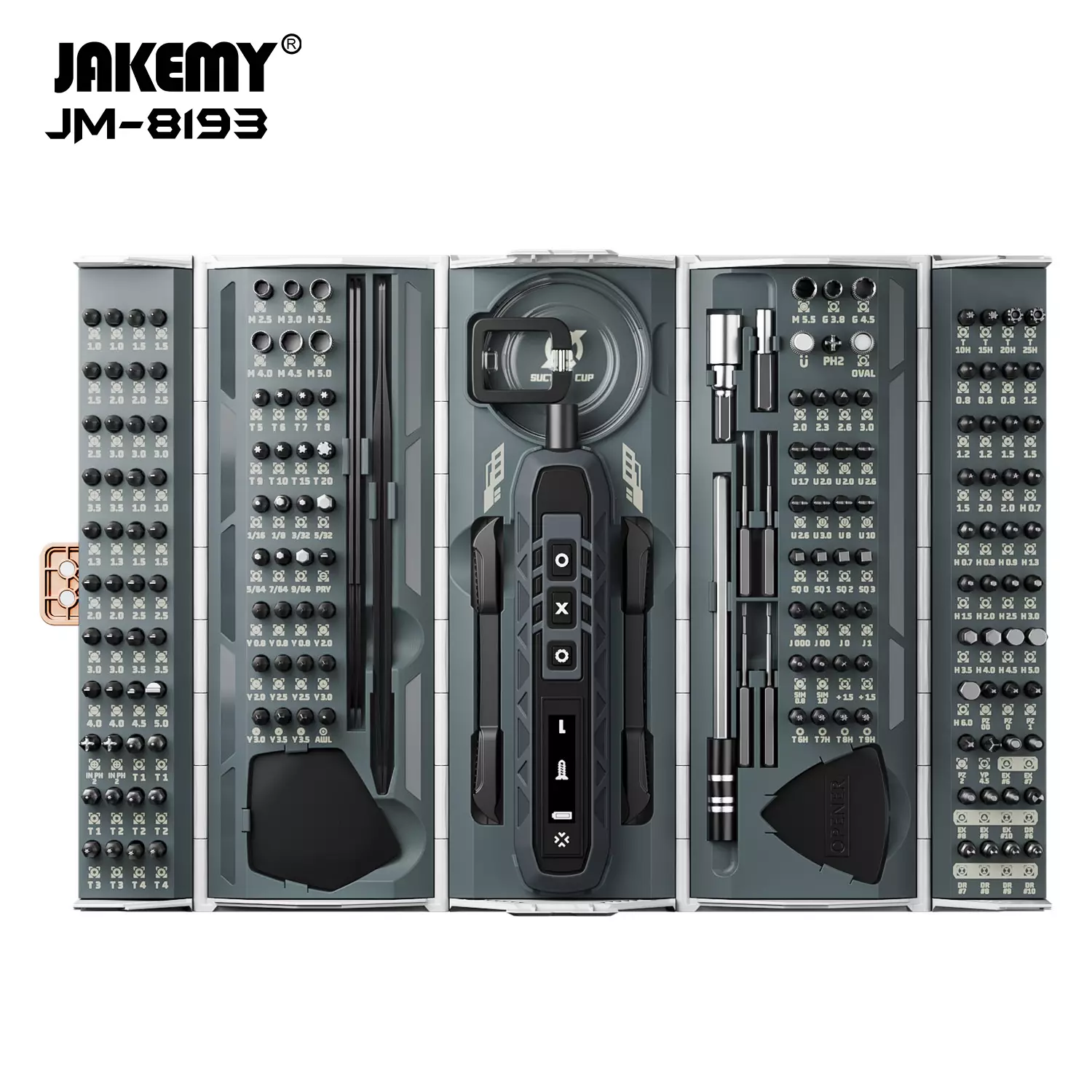
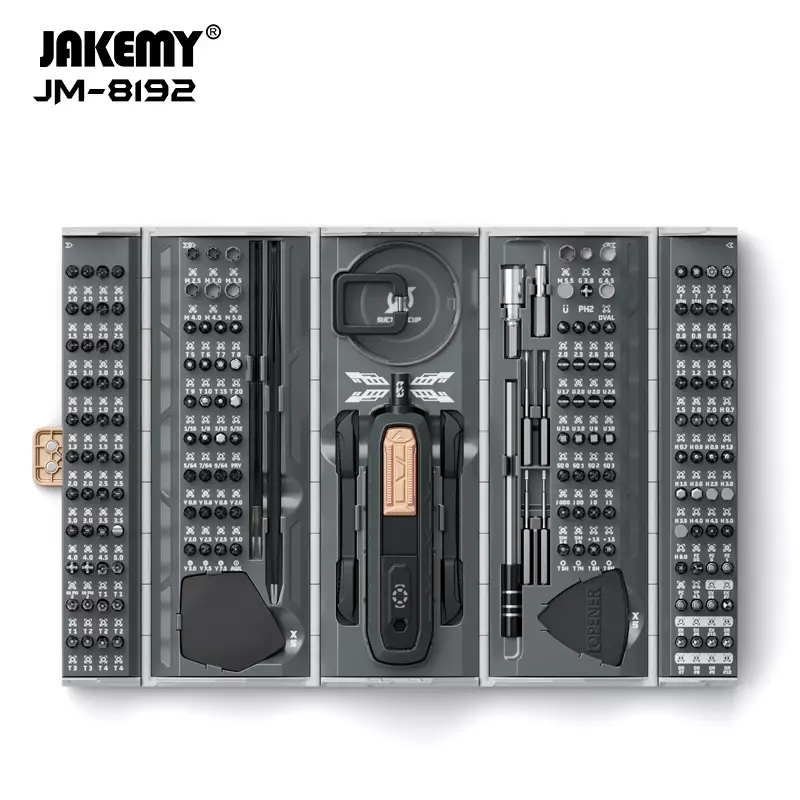
When selecting a toolset for precision repairs and maintenance, it's essential to choose the right product that best suits your needs. The Jakemy JM-8192 and Jakemy JM-8193 are two popular precision screwdriver sets, each offering distinct features that cater to different requirements. In this article, we will compare the key differences between the two models—looking at
Jakemy JM-8192 vs JM-8193: Key Differences (Product Model, Function, and Quantity of Accessories) & Which One to Buy2026-05-13T11:08:49+08:00

Jakemy JM-8192 Review (2026): Is This 180-in-1 Toolkit Worth It?

For technicians, repair shop owners, and DIY professionals, a screwdriver set is only as valuable as its versatility and durability. The Jakemy JM-8192 promises 180 tools in one compact case, targeting everyone from smartphone repair specialists to casual home users. But does this multi-bit precision screwdriver deliver on its claims? This review examines build quality, real-world utility,

Jakemy JM-8192 Review (2026): Is This 180-in-1 Toolkit Worth It?2026-05-13T11:06:31+08:00

How to Improve Ultrasonic Cutting Precision: 7 Expert Tips for Clean Cuts

For business operations in manufacturing, prototyping, and material processing, ultrasonic cutting technology has revolutionized how delicate and composite materials are shaped. Yet many users struggle with inconsistent edge quality, melted kerfs, or premature blade wear. Precision is not automatic—it requires deliberate technique and proper equipment setup. These seven expert tips will help you achieve consistently

How to Improve Ultrasonic Cutting Precision: 7 Expert Tips for Clean Cuts2026-05-13T11:04:16+08:00

How to Use an Ultrasonic Cutter Accessory Kit for DIY Projects (Step-by-Step Guide)

For business owners, repair technicians, and prototyping specialists, achieving clean, precise cuts on delicate materials often feels impossible with traditional blades. Standard knives crush foam, melt plastic, or leave jagged edges on circuit board components. An ultrasonic cutter accessory kit eliminates these frustrations by using high-frequency vibrations to slide through materials effortlessly. Whether you are

How to Use an Ultrasonic Cutter Accessory Kit for DIY Projects (Step-by-Step Guide)2026-05-13T10:57:55+08:00

Can an Ultrasonic Cutter Cut Glass? Materials You Can & Cannot Cut

Manufacturers and repair professionals often ask whether an ultrasonic cutter can handle hard, brittle materials like glass. The short answer is no—standard ultrasonic cutters are not designed for cutting glass. Glass requires scoring and breaking or diamond-tipped tools, as its crystalline structure does not respond well to high-frequency vibrations. Attempting to cut glass with an

Can an Ultrasonic Cutter Cut Glass? Materials You Can & Cannot Cut2026-05-13T10:55:59+08:00

How Does an Ultrasonic Cutter Work? Complete Beginner Guide

For business buyers in manufacturing, prototyping, or material processing, achieving clean, precise cuts on delicate substrates without fraying, melting, or crushing is an ongoing challenge. Traditional blades often tear composites, deform plastics, or leave rough edges. Ultrasonic cutting technology offers a superior solution by vibrating a blade tens of thousands of times per second, creating

How Does an Ultrasonic Cutter Work? Complete Beginner Guide2026-05-13T10:53:43+08:00

Why Use an Ultrasonic Cutter? Key Advantages Over Traditional Cutting Tools

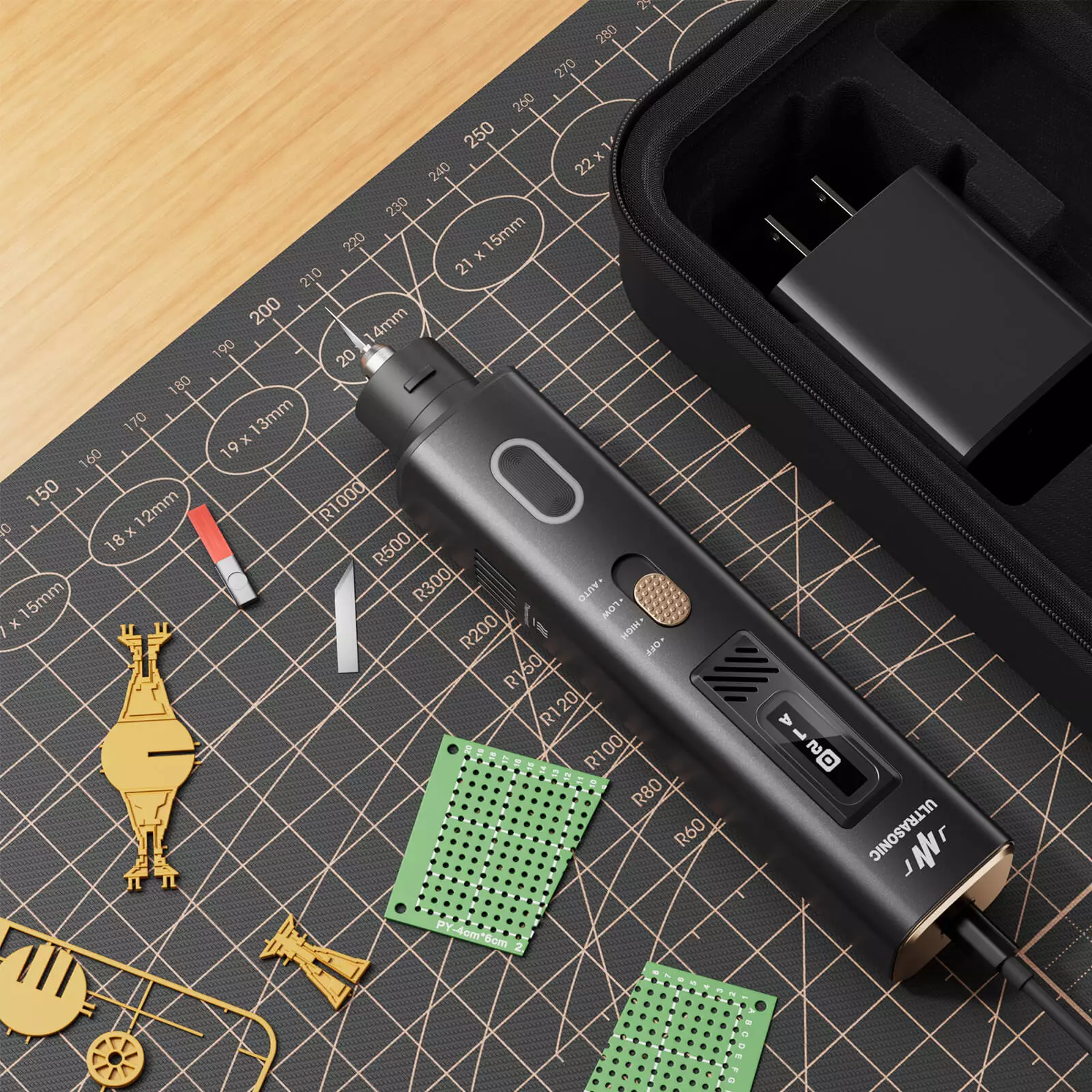
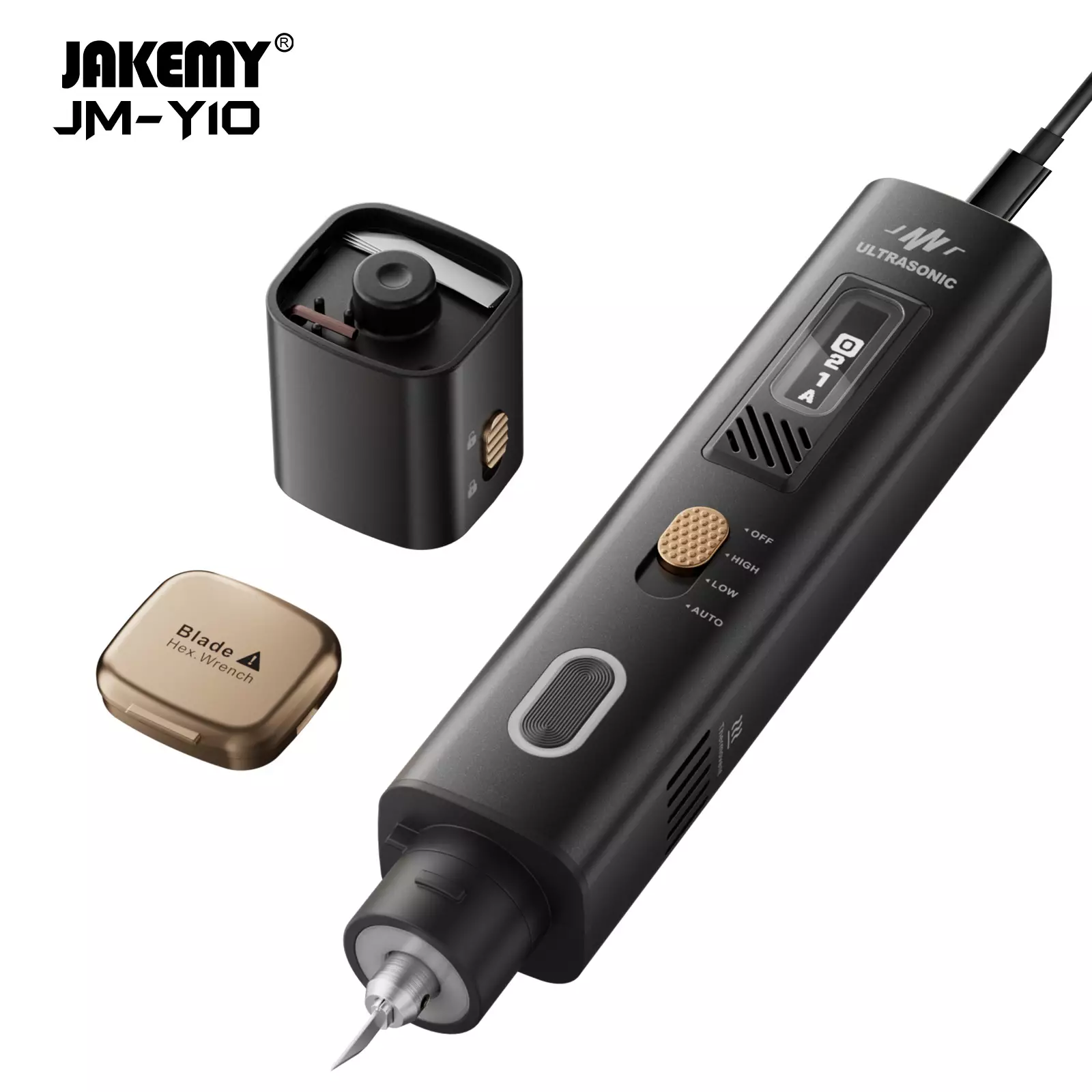
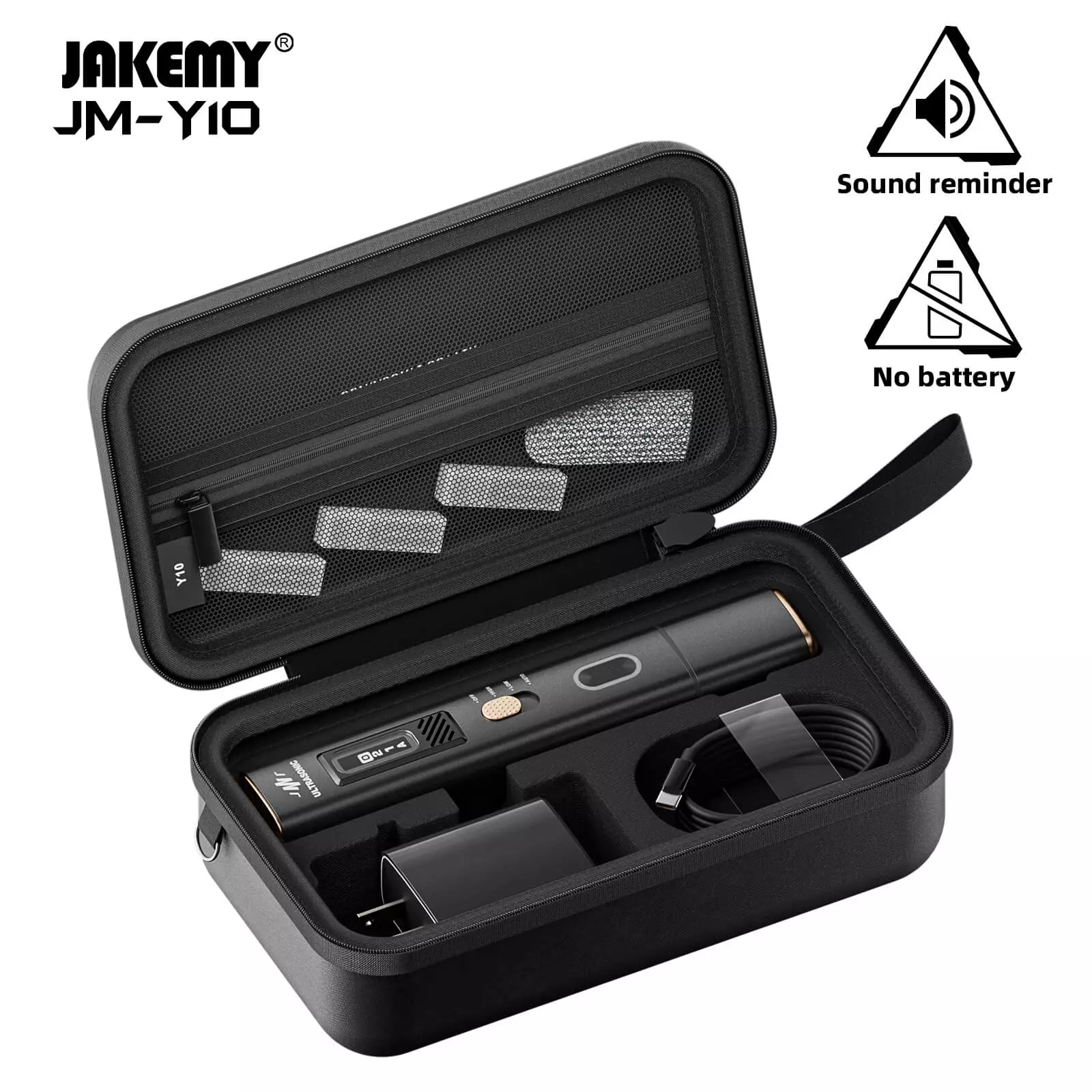
The cutting industry has evolved significantly in recent years, with ultrasonic cutters emerging as one of the most advanced tools for precision, efficiency, and versatility. Whether you're in manufacturing, electronics repair, or custom fabrication, upgrading from traditional cutting tools to an ultrasonic cutter like the Jakemy JM-Y10 can revolutionize your processes. This article highlights the

Why Use an Ultrasonic Cutter? Key Advantages Over Traditional Cutting Tools2026-05-13T10:49:29+08:00

What Is an Ultrasonic Cutter? Benefits, Uses & Applications Explained

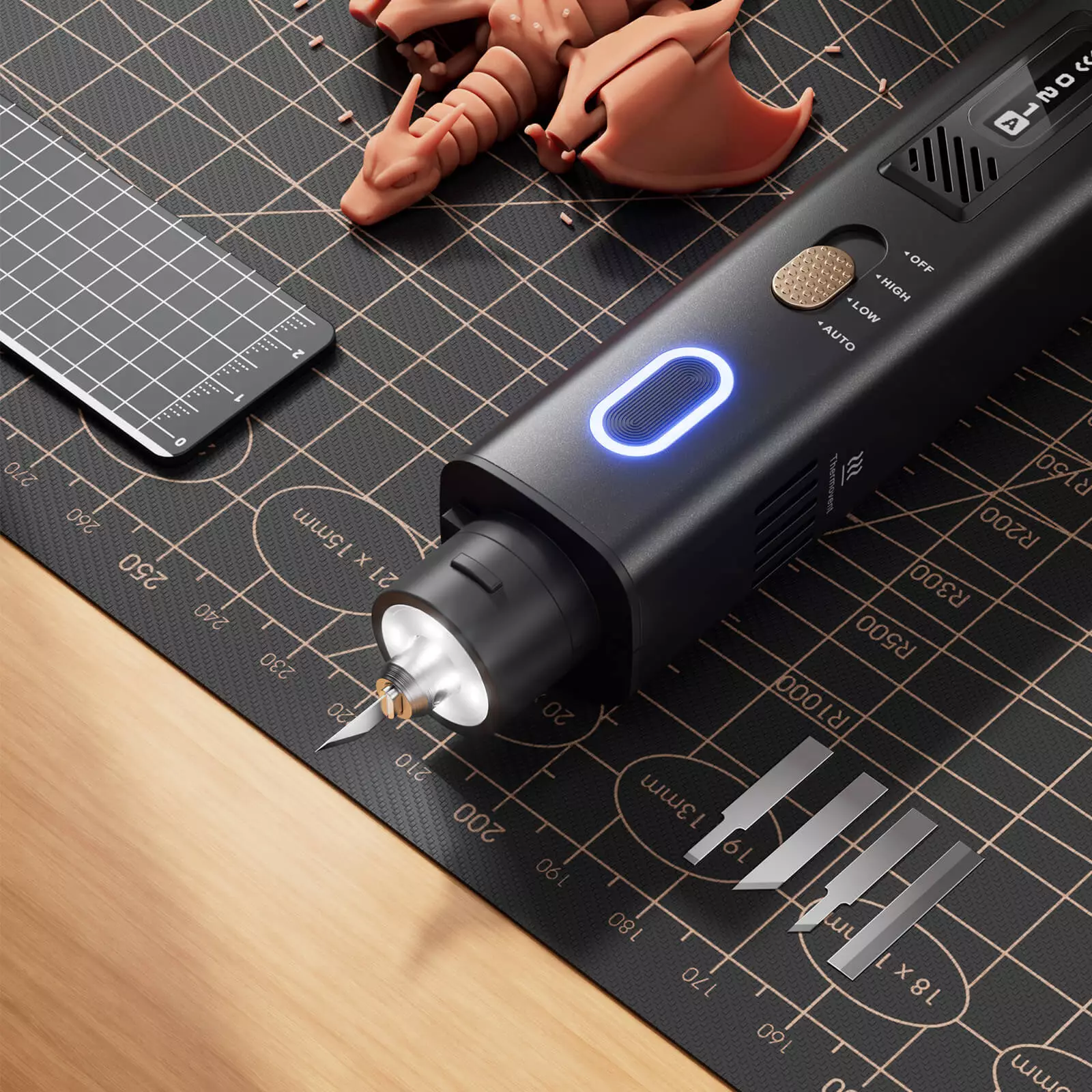
For manufacturing and repair professionals struggling with material fraying, melted edges, or excessive blade pressure, a new solution exists. An ultrasonic cutter harnesses high-frequency vibrations—typically 40,000 cycles per second—to create virtually frictionless cutting action. Unlike traditional blades that push through materials, ultrasonic blades oscillate rapidly, allowing clean separation without crushing or heat damage. This technology

What Is an Ultrasonic Cutter? Benefits, Uses & Applications Explained2026-05-13T10:27:55+08:00