Home2026-10-21T16:53:26+08:00
Loading...
Loading...

Screwdriver Supply & Wholesale

For more than 20 years, Jakemy has manufactured and provided reliable and high-quality screwdrivers and other repair tools worldwide. Our wholesale screwdrivers in bulk are used as phone and electronic repair tools.
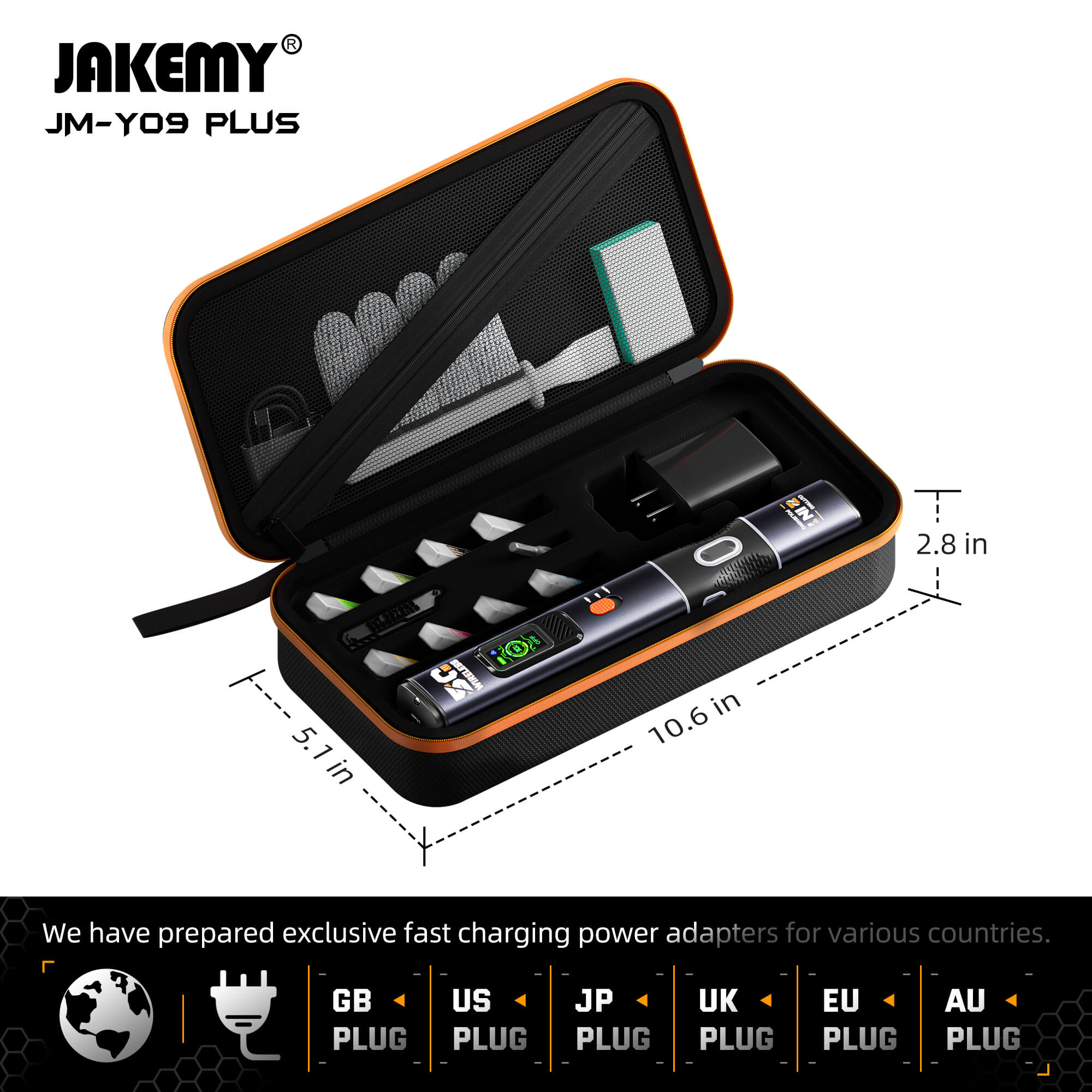
JM-Y09 Plus
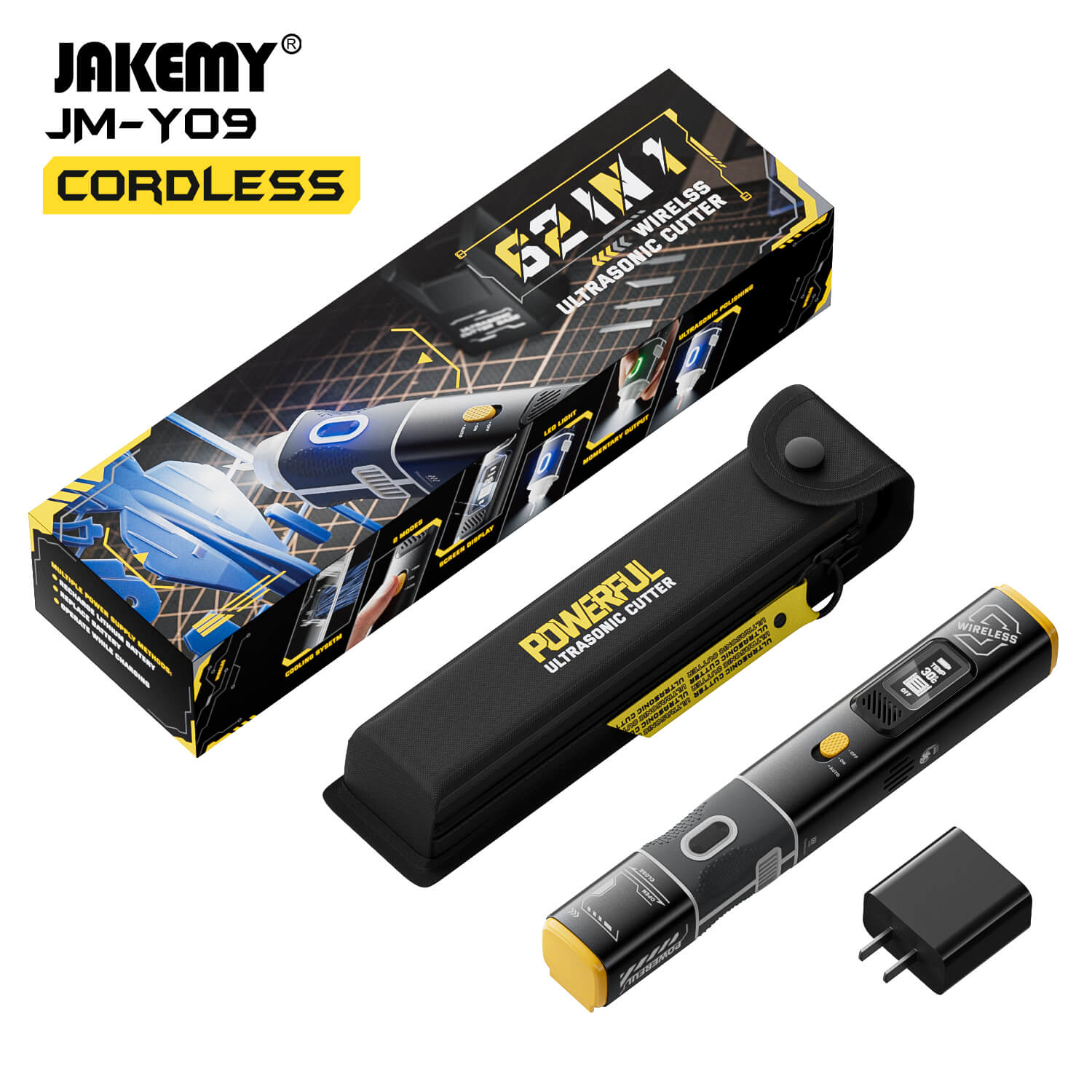
JM-Y09 [Cordless]
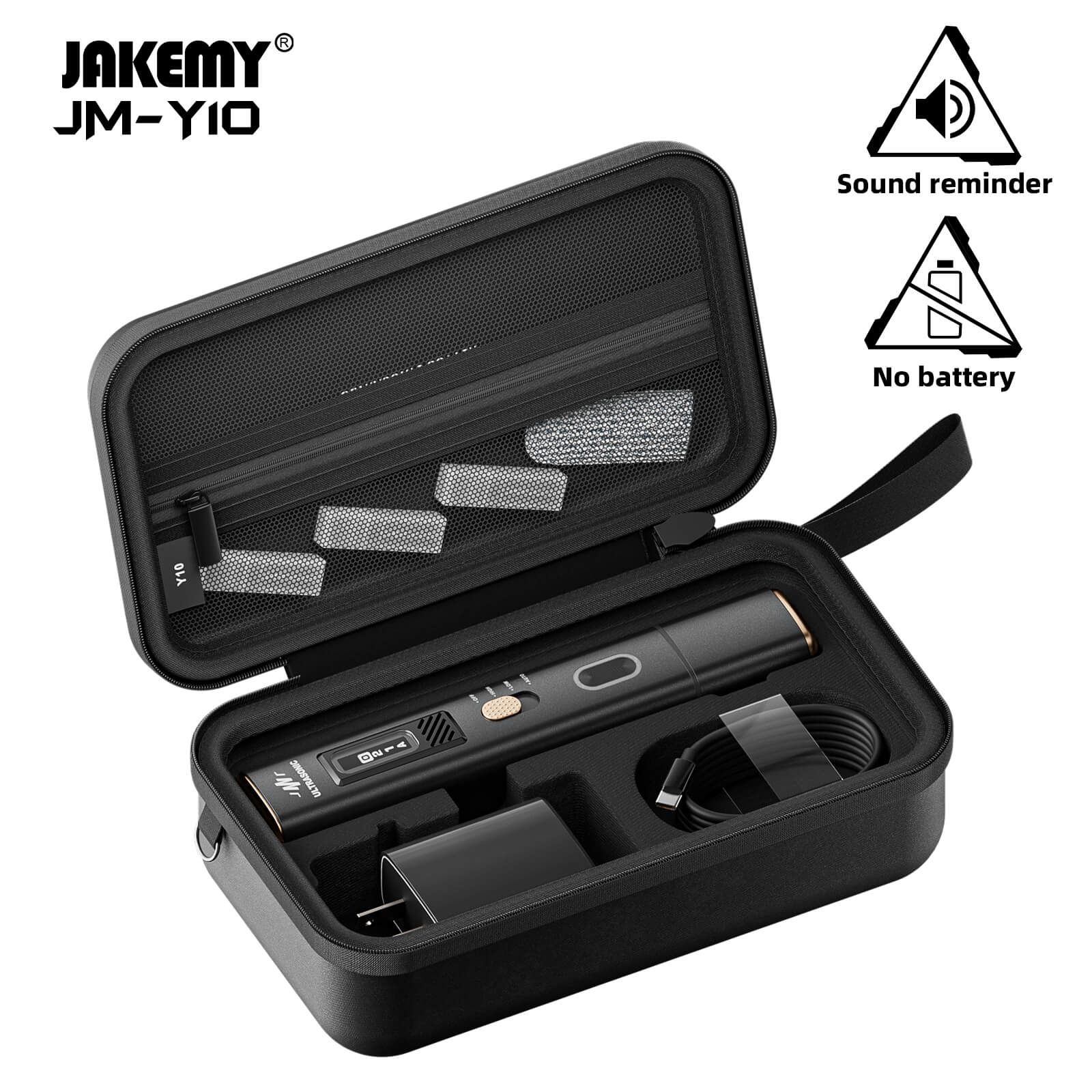
JM-Y10
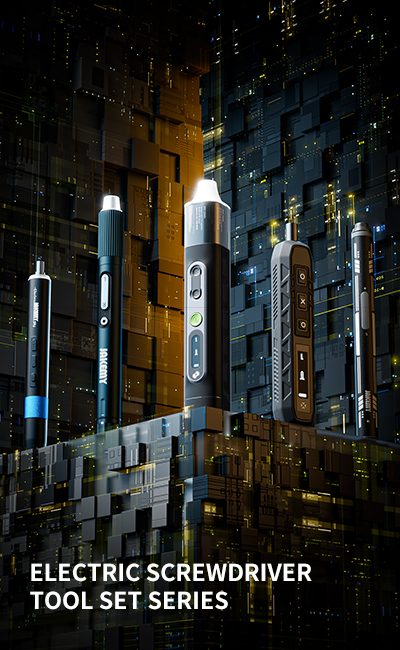
electric torque screwdriver

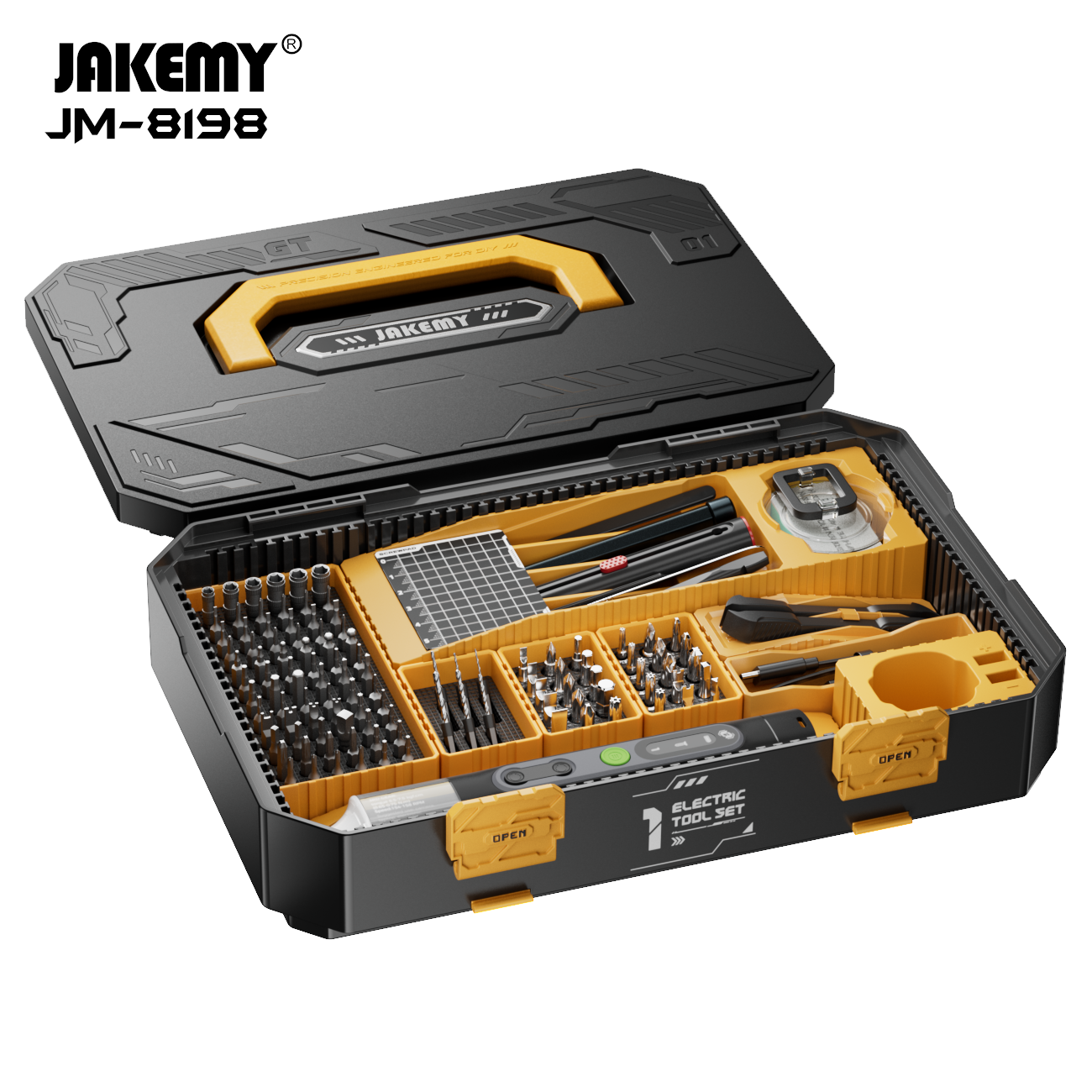
JM-8198

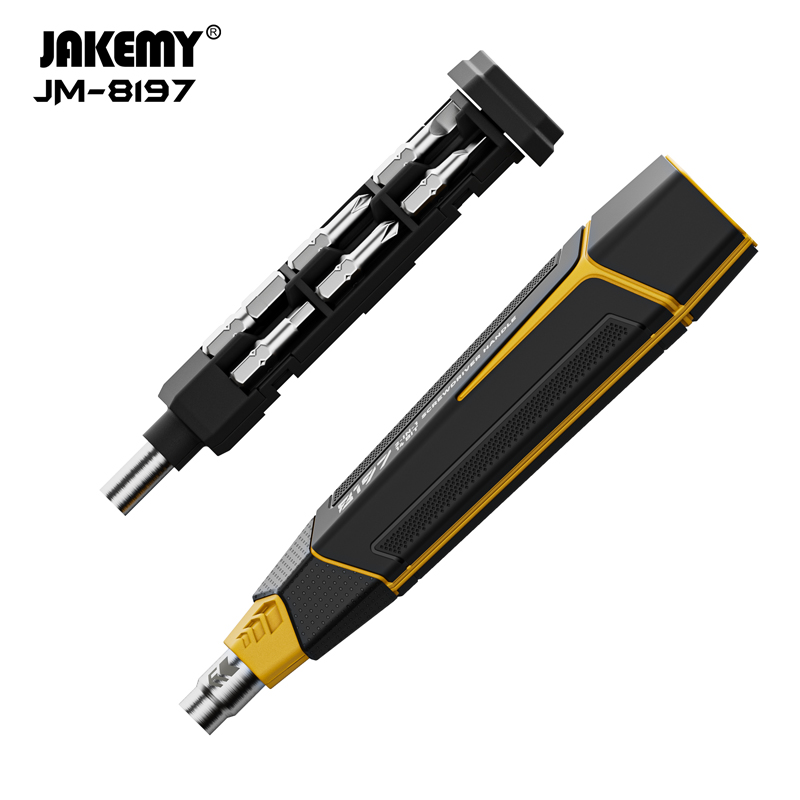
JM-8197

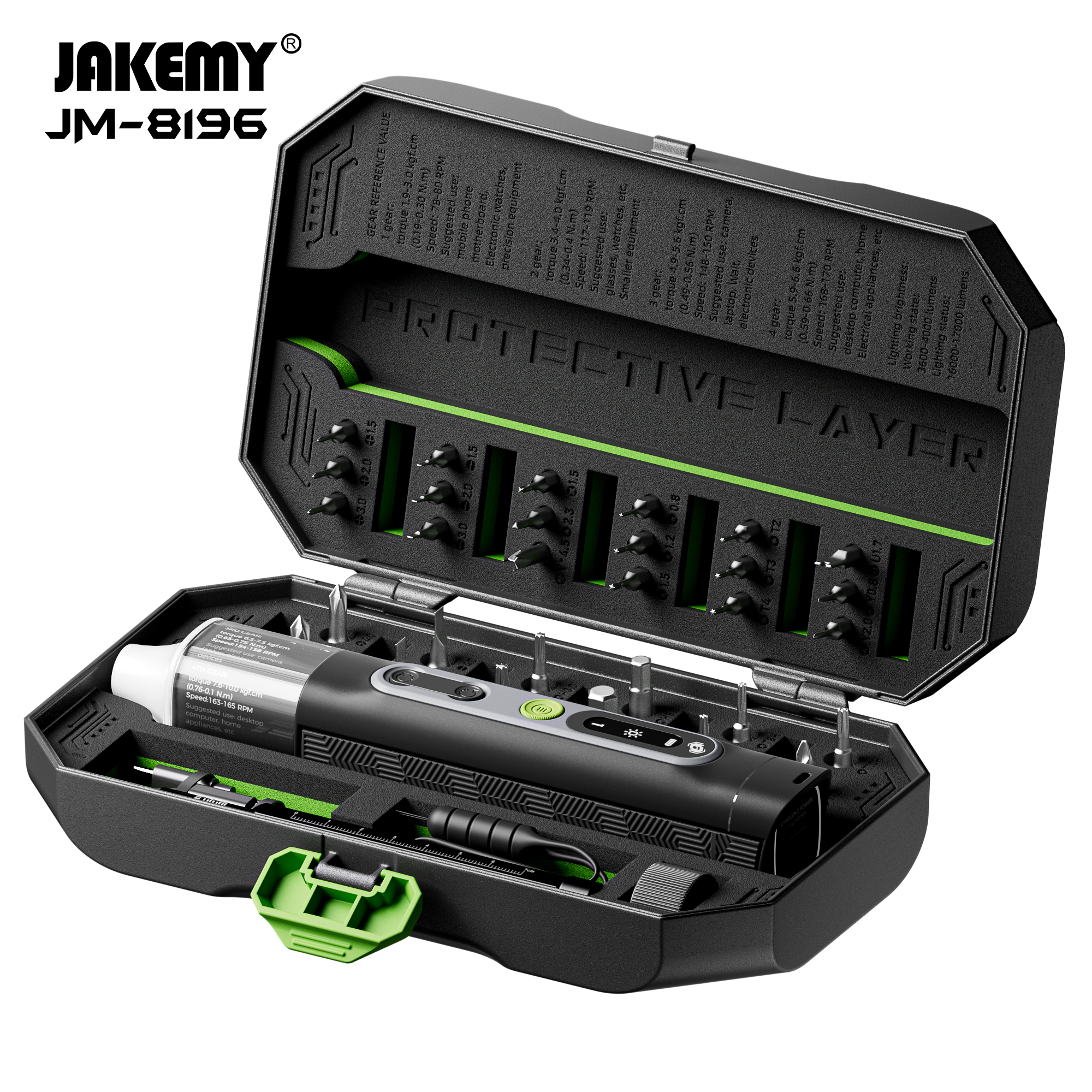
JM-8196

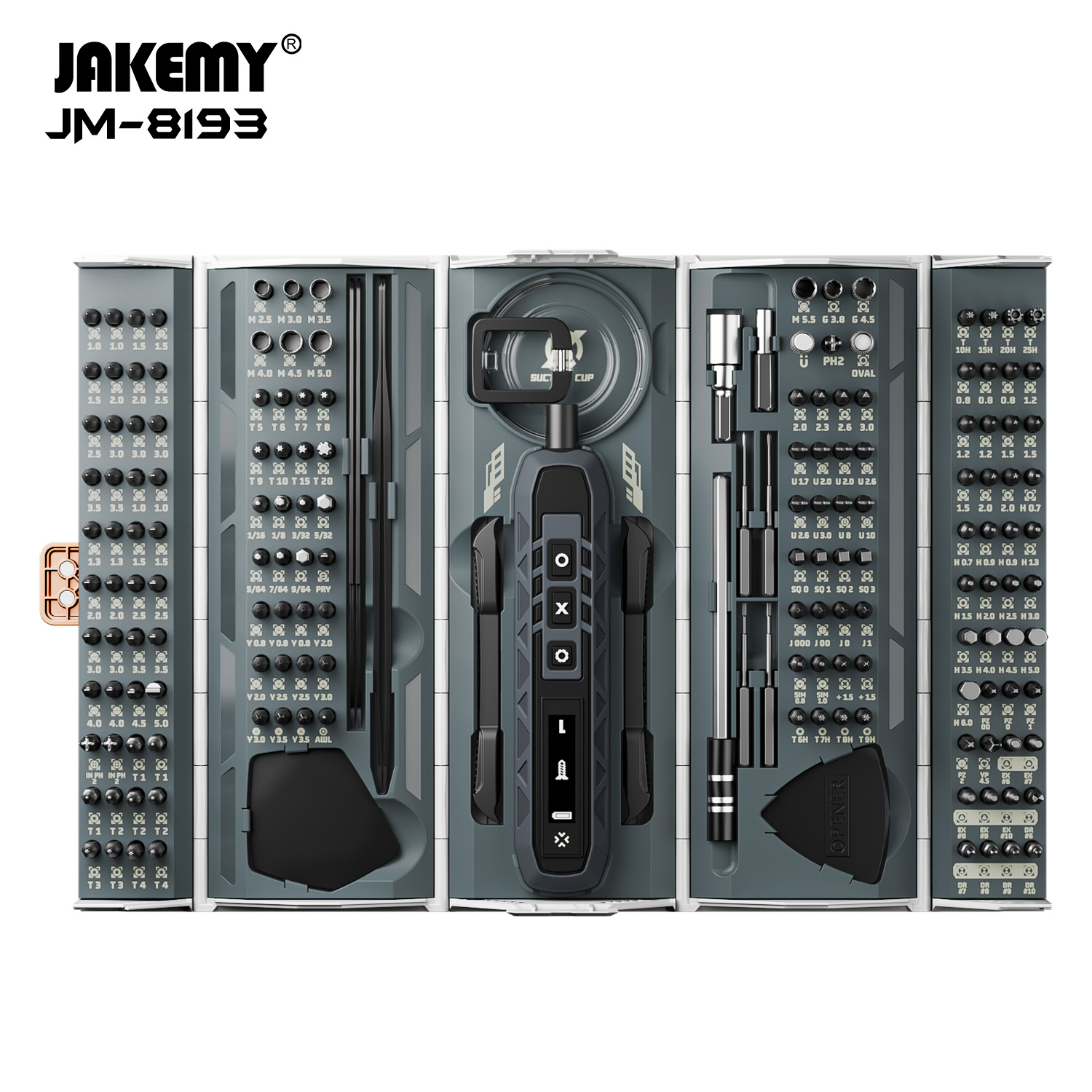
JM-8193

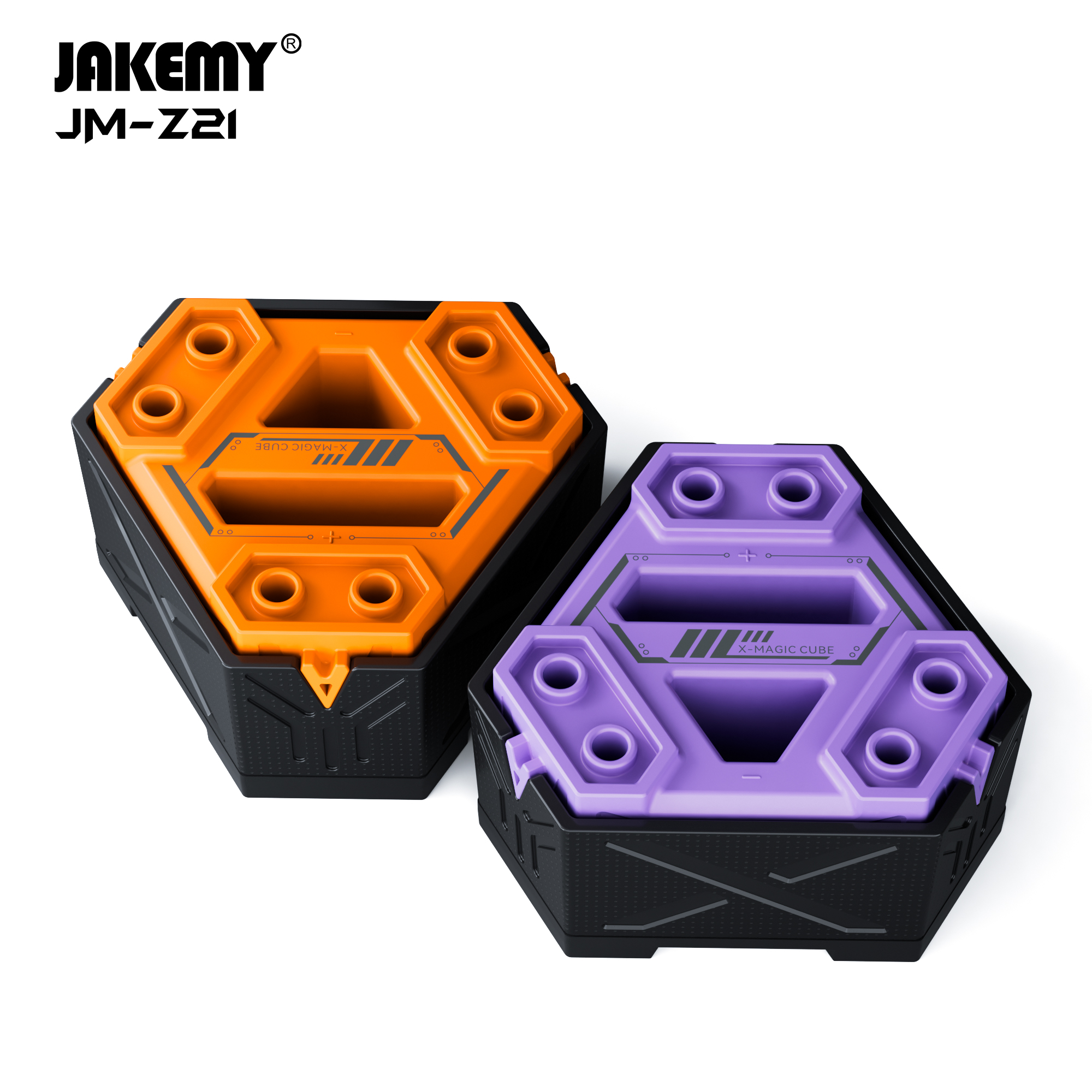
JM-Z21

Jakemy Screwdriver Services

Screwdriver Wholesale & Supply

What we can offer:

  • Free Logo Custom Service
  • High-quality Raw Materials
  • Quick Sample Custom Service
  • Quick Delivery(In-stock items ship within 7 business days)
  • Quality Control
  • Lower MOQ
  • 24/7 Customer Support
Choose our OEM/ODM Services

Screwdriver OEM & ODM

What we can offer:

  • Stylish & Unique Design
  • Competitive pricing
  • 60 Day Warehousing Service
  • Quick Delivery (Normally 7-20 work days)
  • 1 V 1 Technical Support
  • Global Branding Experience
Choose our Branding Services

Top Screwdriver Manufacturer in China – Jakemy

Join us on a virtual tour of our factory

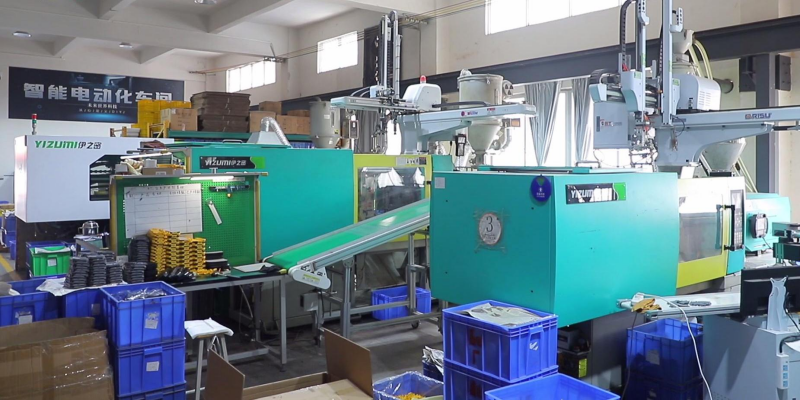
Established in 1998, Jakemy has been an experienced screwdriver manufacturer & supplier in China. Covering an area of 3,000 square meters of factory, we boast 6 production lines and 20 high-precision Taiwan equipment to ensure good quality and quick delivery.

We not only supply screwdrivers at competitive prices but also support OEM & ODM screwdriver services to satisfy your specific requirements. Driven by innovation and trends, our screwdriver is the most popular product globally. Our wholesale screwdriver kits and other electronic repair tools are exported to more than 70 countries, including Europe, South America, Asia, and the Middle East.

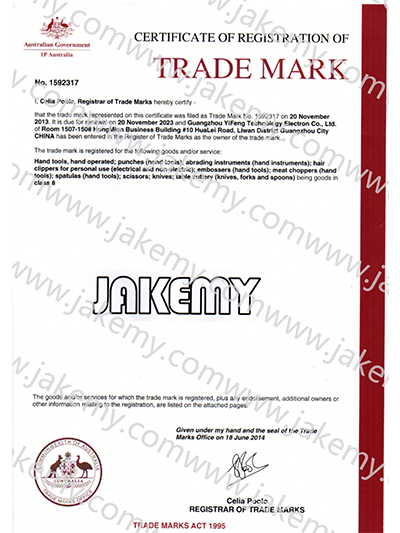
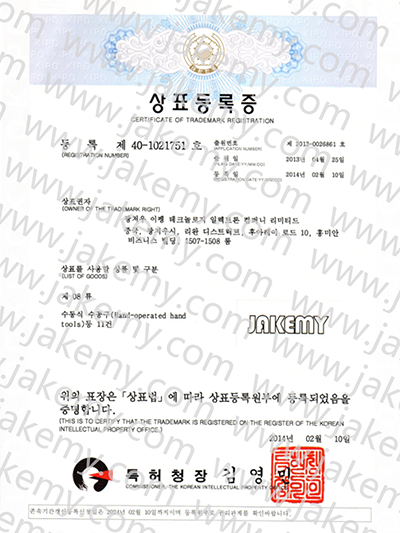
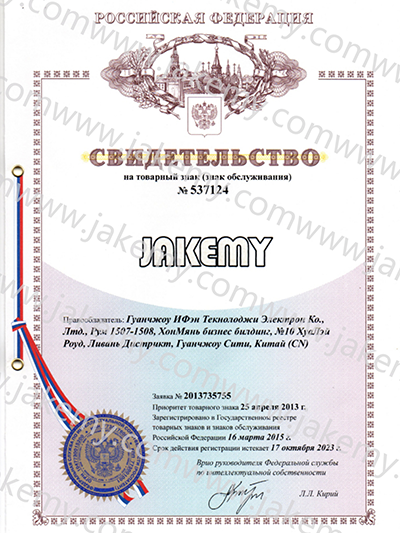
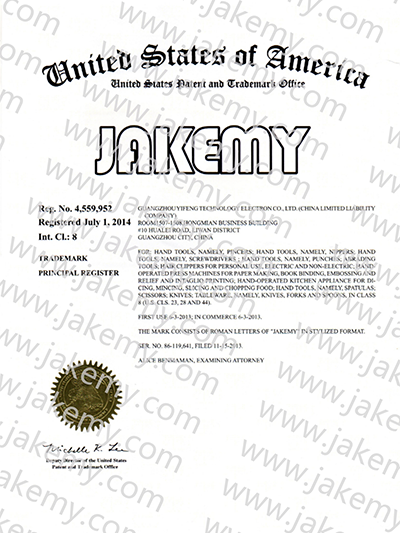
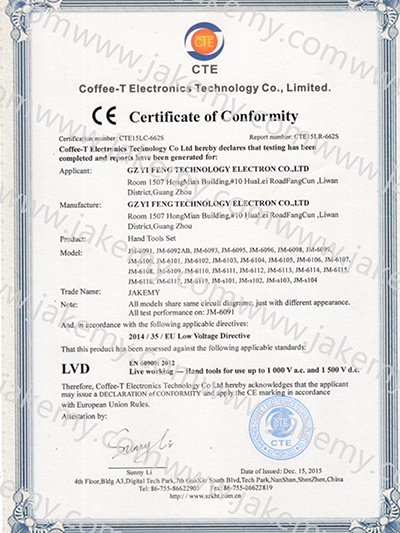
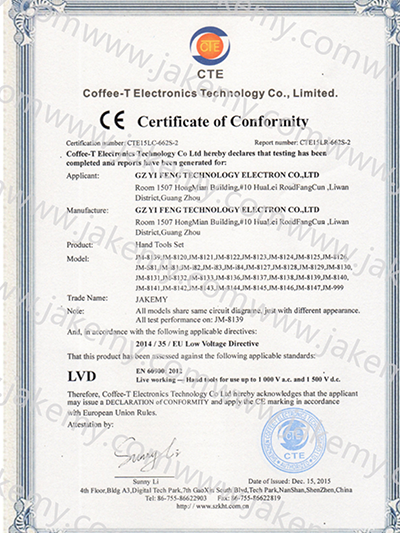
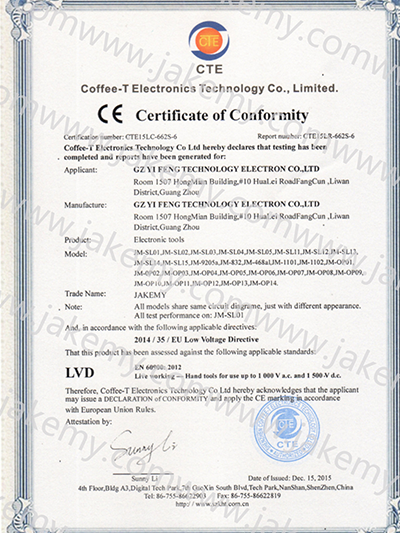
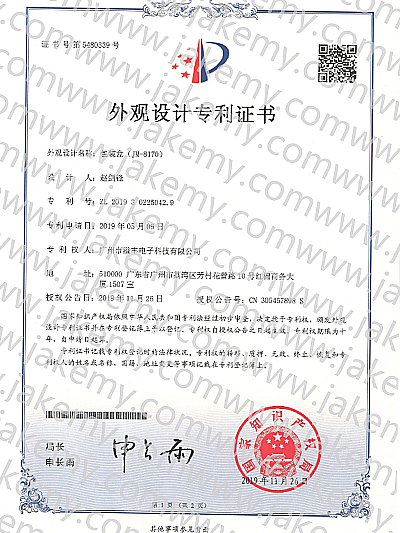
Jakemy has been awarded BSCI certification, CCC certification, RoHS certification, and CE certification, manufacturing high-quality screwdrivers for global brands. Additionally, working with international brands, we have accumulated a lot of experience from design to after-sale. Choose Jakemy, we will provide you with better services and one-stop screwdriver custom solutions.

Read More About Our Values
View Our Certifications

Why choose Jakemy

Innovative Screwdriver

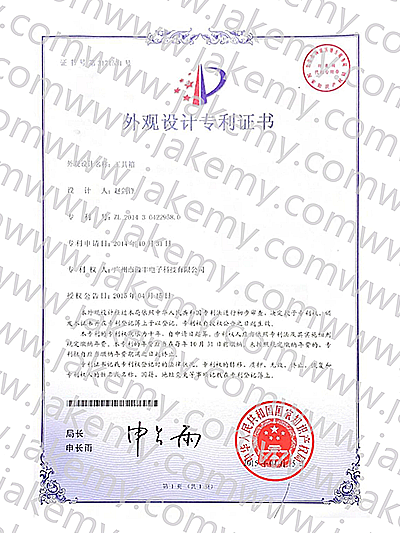
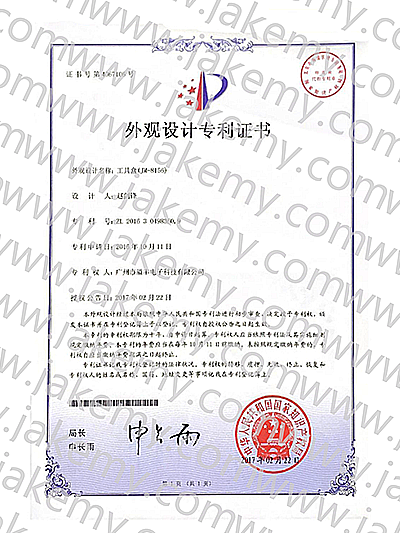
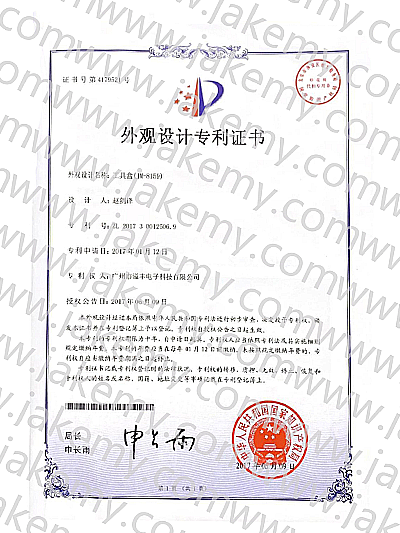
Jakemy has an R&D team to manufacture some popular and innovative screwdriver types based on market research and trends, like element, color, application, and design. While pursuing innovation, we are close to end consumers, exploring how screwdrivers are applied and what is the most popular screwdrivers in the market. Jakemy keeps on screwdriver innovation with more than 60 patents. Thus, we can act as your reliable screwdriver manufacturer to help you stand out in the industry.
Read More

Quick Delivery

To improve efficiency and quality, we have established 6 production lines and 20 advanced machines to manufacture screwdrivers, covering mold manufacturing, injection molding, printing, hardware manufacturing, screwdriver bits manufacturing, and assembly process. At Jakemy, our lead time can be as fast as 72 hours, and OEM & ODM lead time is generally 7-20 days. If you require a big order in a shorter time, you can find professional screwdriver manufacturer Jakemy to help you.

Read More

OUR SERVICES

We provide OEM/ODM services and accept customized orders. From on-demand design service to full product production, we will strive to meet all of your needs by providing you with qualified service support.


Read More

Professional Team

With more than 20 years of experience, Jakemy has specialized in screwdrivers and other electronics repair tools for global partners. No matter whether cross-border trade or e-commerce business, screwdriver design, or full production, we will strive to meet your needs with our better service. Our sales and customer service teams are available to respond to your inquiries within 12 hours. Plus, our warehousing service can last up to 60 days, with a large capacity of 8 million sets.

Read More

OUR R&D

Our prioprietary R&D team conducts yearlong, extensive market and product research. At the same time, new products are launched every year to ensure the constant innovation of our product lines.

Read More

OUR FACTORY

New products are manufactured every day throughout the many production lines of our independent factory. We employ a variety of high-quality raw materials to ensure the highest production efficiency and quality of our products.

Read More

OUR SERVICES

We provide OEM/ODM services and accept customized orders. From on-demand design service to full product production, we will strive to meet all of your needs by providing you with qualified service support.

Read More

OUR SUPPORT

Our sales and customer service teams are available to respond to your inquiries within 24 hours. We look forward to put our decade-long experience in this industry to your service at any time.

Read More

Certification
─────

The Latest News
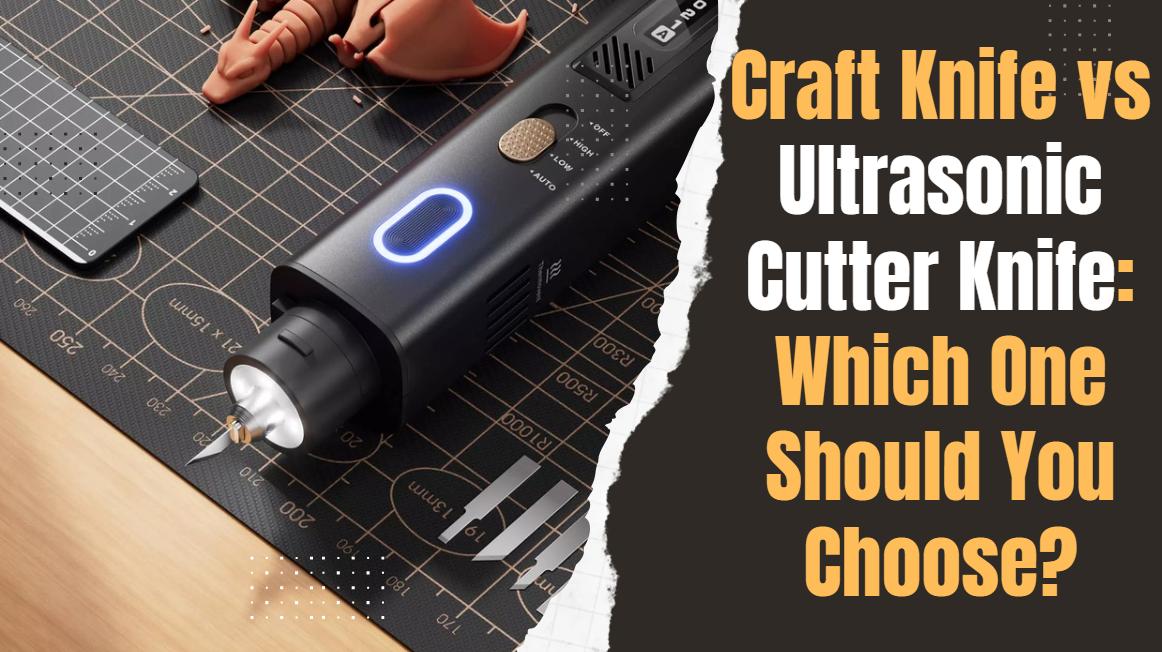
Craft Knife vs Ultrasonic Cutter Knife: Which One Should You Choose?

If you only tackle occasional DIY projects or simple cutting jobs, a traditional craft knife is usually sufficient. It is inexpensive, portable, and easy to replace. However, if you are a frequent maker, model builder, product designer, or professional who regularly works with demanding materials, an ultrasonic cutter knife can offer better efficiency, control, and cutting quality.

The right choice ultimately depends on what you cut, how often you work, and how much precision you need. This guide compares the two tools to help you make a more informed purchasing decision.

Factor
Traditional Craft Knife
Ultrasonic Cutter Knife
Working Principle
Cuts through hand-applied pressure
Uses high-frequency blade vibration
Precision
Relatively low
High
Cutting Quality
Depends heavily on blade sharpness and user skill
Cleaner edges with less force and deformation
Ease of Use
Simple, but physically demanding on tougher materials
Requires power and basic setup, but reduces cutting effort
Typical Materials
Paper, cardboard, thin foam, vinyl, light plastic
Plastic, resin, rubber, leather, acrylic, carbon fiber and more
Typical Price Range
About $5–$30
About $100–$250
Best for
Casual crafting and light-duty DIY
Frequent makers, model builders and professionals

Detailed Comparison

1. Working Principle

A craft knife requires the user to apply force and guide the blade through the material. Its cutting performance mainly depends on blade sharpness, cutting angle, hand control, and material resistance.

An ultrasonic cutter knife requires the user to only guide the blade along the cutting path. The blade itself vibrates at ultrasonic frequencies, turning the cut into a rapid series of micro-cuts. This significantly reduces friction and material resistance, so the cutting is smoother.


2. Cutting Precision

For paper, masking film, stickers, and thin cardboard, a craft knife can provide sufficient precision in experienced hands. It is also easy to guide along a ruler.

However, problems may appear when cutting curves, narrow openings, thick plastic, or delicate model parts. Applying greater pressure can make the blade slip or pull the material out of position.

An ultrasonic cutter is generally more capable in these situations. Reduced cutting resistance allows the user to guide the blade with greater control, making it a practical precision cutter for model making, prototyping, 3D-print post-processing, and detailed craft work.

Some users of Bambu Lab and similar 3D printers report that they need to remove support structures after printing, as well as harder residue or hardened material buildup; an ultrasonic cutter can make these post-processing tasks easier by cutting through stubborn material with less force.


3. Cutting Quality

With a traditional craft knife, cutting quality can vary according to the material, blade condition, and user’s technique. Softer materials may deform under pressure, while some fabrics, foams, plastics, or composite materials can require additional finishing after cutting.

Ultrasonic vibration can reduce the force applied directly to the material. As a result, users may achieve cleaner edges and more consistent cuts across suitable materials.

Still, no cutting tool works equally well on every substrate, so material thickness and composition should always be considered before choosing a blade or cutting mode.


4. Ease of Use

A traditional craft knife has one major advantage: simplicity. There is little setup, no electronic system, and replacement blades are widely available. For someone who only needs to cut paper, cardboard, or thin craft materials occasionally, this simplicity is difficult to beat.

An ultrasonic cutter has a higher learning curve. Users need to understand its operating modes, blade selection, and appropriate pressure. Once familiar with the tool, however, the reduced cutting resistance can make repetitive work more comfortable.


5. Use Cases

Craft knives are a practical choice for scrapbooking, paper crafts, packaging prototypes, light DIY work, and other everyday projects.

Ultrasonic cutter knives have a broader potential application range. Depending on the model, they can be used for plastics, acrylic, leather, EVA foam, rubber, wood, carbon fiber, 3D-printed materials, and other substrates.


6. Price Range

Traditional craft knives commonly cost between $5 and $30, depending on build quality, blade system, and included accessories.

Ultrasonic cutters have a higher initial cost. Entry-level models may start at around $100, while professional systems can cost several hundred dollars or more.


7. Best For

Choose a craft knife if you cut lightweight materials only occasionally, value maximum portability, or have a limited budget.

Choose an ultrasonic cutter knife if you regularly work with different materials, require detailed cutting, or want one tool that can support more demanding craft and model-making tasks.


Why Consider the Jakemy JM-Y10 Ultrasonic Cutter?

For users ready to move beyond a conventional craft knife, the Jakemy JM-Y10 is worth considering. It combines ultrasonic cutting with grinding and polishing functions, suitable for materials such as carbon fiber, acrylic, leather, EVA foam, 3D-printed resin, PCBs, wood, plastic, and rubber.

Its key features include:

  • 35W, 40kHz ultrasonic system with PZT ceramic components and a titanium alloy transducer
  • Aluminum alloy handle for improved heat dissipation
  • Dynamic cooling system for more stable operation
  • OLED display showing operating mode and temperature
  • Front LED lighting for better visibility

For distributors, the JM-Y10/JM-Y10 Pro can complement product lines covering craft knives, model-making tools, DIY equipment, and repair tools. Jakemy also provides OEM/ODM and customization support, with samples available.


Conclusion

A traditional craft knife remains the sensible choice for simple, occasional cutting. It is affordable, convenient, and effective on lightweight materials. However, for frequent or demanding work, an ultrasonic cutter knife offers a meaningful improvement in precision, edge quality, and efficiency. The JM-Y10 brings these advantages together with polishing capability, intelligent controls, and broad material compatibility—making it a strong choice for serious makers, professionals, and distributors alike.

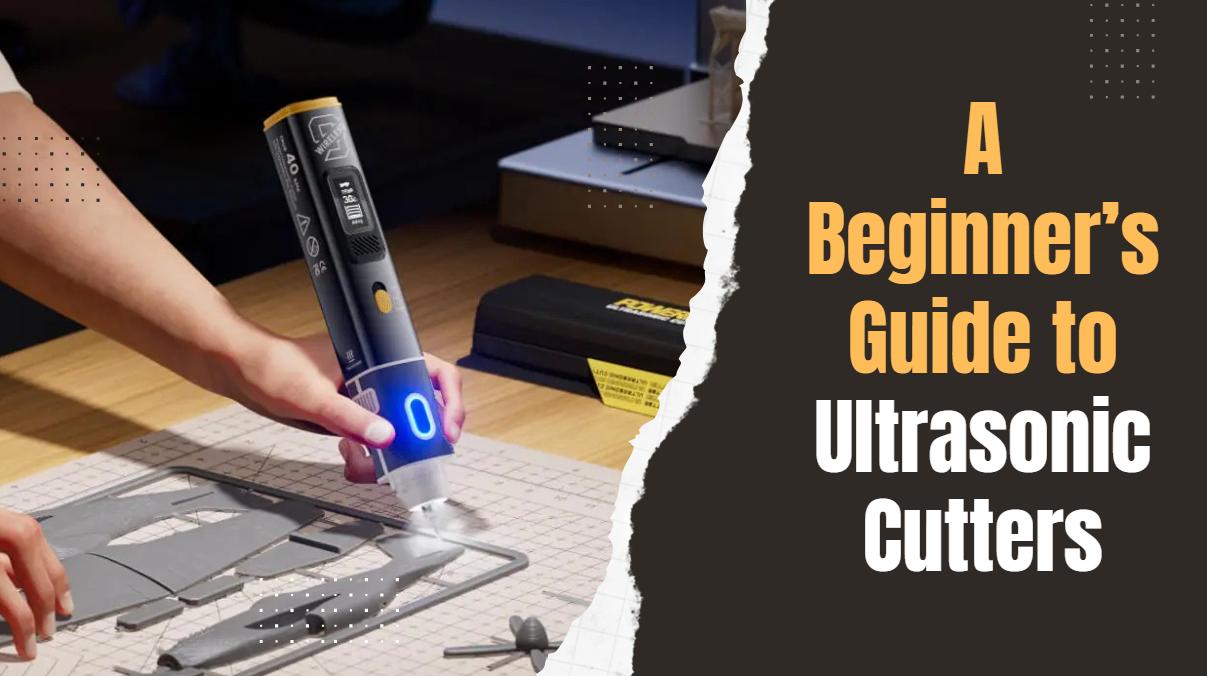
A Beginner’s Guide to Ultrasonic Cutters

Ultrasonic cutters are gaining attention among model makers, DIY enthusiasts, repair professionals, and manufacturers who need cleaner, more controlled cuts. Using rapid blade vibration to reduce cutting resistance, they allow users to work with many difficult materials without having to apply much force by hand.

If you are new to this technology, the terminology and product choices may seem complicated. This guide explains the main components of an ultrasonic cutter, how it works, what it can cut, and how it compares with a traditional hobby knife. Read on to learn more.

Key Components of an Ultrasonic Cutter

Although designs vary, most ultrasonic cutters contain five essential components.

1. Oscillator

The oscillator, sometimes called an ultrasonic generator, converts electrical power into a high-frequency electrical signal. It controls the frequency delivered to the cutting system and helps the blade vibrate consistently.

2. Transducer

The transducer converts the electrical signal into mechanical vibration, usually by means of piezoelectric elements. It creates the rapid movement required for ultrasonic cutting. The vibration is then amplified and passed to the blade.

3. Handle

The handle houses or connects to the transducer and allows the user to guide the tool. A well-designed handle should provide a secure grip and remain comfortable during detailed work.

4. Blade

The blade transfers ultrasonic vibration to the material. Different blade shapes can be used for straight cuts, curved details, trimming, or surface finishing. Blade material also affects durability and cutting performance.

5. Battery or Power Cord

Some cutters use a rechargeable battery, while others receive continuous power through a cord. Battery-powered models offer portability, whereas corded models avoid charging interruptions and may be better suited to longer work sessions.

How Does an Ultrasonic Cutter Work?

An ultrasonic cutter converts electrical energy into high-frequency mechanical vibration, typically above 20,000 times per second. This vibration is transmitted to the blade, which moves back and forth over a very short distance, too small to see with the naked eye.

When the blade touches a material, the vibration reduces friction and cutting force at the contact point. As a result, the user does not need to press as hard as with a standard knife. Lower cutting force also makes it easier to follow detailed lines and helps reduce deformation in soft or flexible materials such as foam and rubber.

What Materials Can an Ultrasonic Cutter Cut?

The exact cutting capacity depends on the cutter’s power, blade design, and the thickness and density of the workpiece. Common applications include:

  • Carbon fiber:Useful for trimming thin carbon-fiber sheets and composite parts. Proper dust extraction and respiratory protection are important.
  • Acrylic:Suitable for detailed trimming, although users should test a spare piece because friction may soften the edge.
  • EVA foam:Produces controlled cuts with less compression than many hobby knives.
  • Leather:Helps create accurate shapes and smooth outlines for craft projects.
  • Metals:Certain thin or soft metal pieces may be cut or trimmed, depending on the cutter and blade. An ultrasonic cutter is not a substitute for a saw when working with thick metal.
  • Wood:Can handle thin wood sheets and small model-making components.
  • 3D-printed resin:Useful for removing supports, trimming edges, and refining printed models after curing.
  • PCBs:Can assist with controlled PCB trimming in suitable applications. Users must manage fiberglass and conductive dust safely.

Watch this ultrasonic cutter demonstration video to see how the tool performs on different materials.

Always test an offcut before starting the final piece. Material thickness, composition, and heat sensitivity can significantly affect the result.

Ultrasonic Cutter vs. Hobby Knife

Both tools are useful, but they suit different budgets and workloads.

Comparison Point
Ultrasonic Cutter
Hobby Knife
Precision
Easier to guide through resistant materials with less hand pressure
Precise on thin, easy-to-cut materials
Cutting Quality
Often creates cleaner edges with less crushing, tearing, or deformation
Results depend heavily on blade sharpness and manual force
User Experience
Requires power but reduces effort during repeated or difficult cuts
Simple, portable, and inexpensive, but may cause more hand fatigue

A hobby knife remains practical for light, occasional tasks. An ultrasonic cutter is often the better choice for users who regularly cut foam, resin, composites, leather, or other resistant materials. For a more detailed evaluation, read our Ultrasonic Cutter vs. Hobby Knife comparison guide.
Why Choose the Jakemy Ultrasonic Cutter & Polisher?

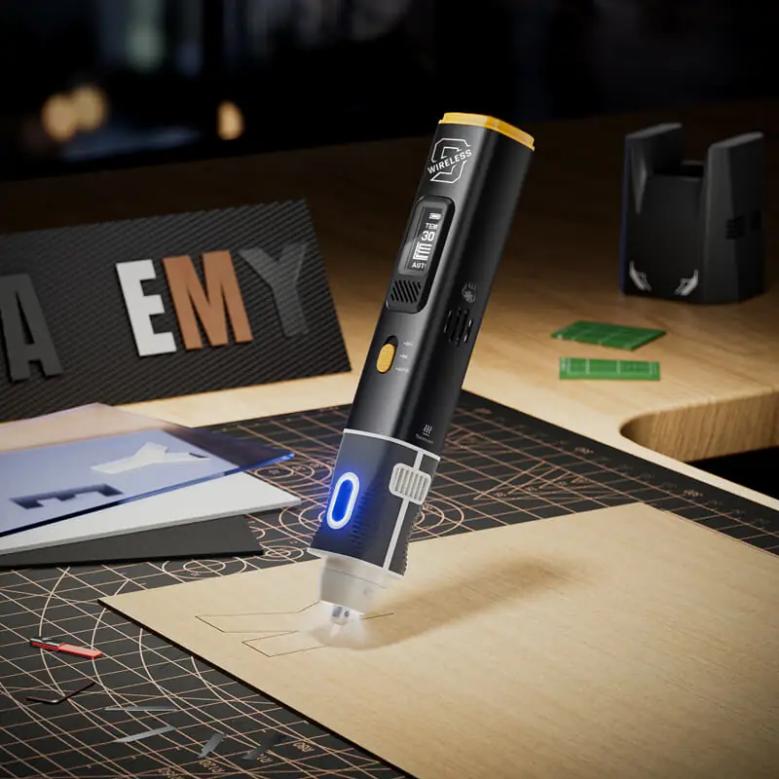
The Jakemy JM-Y10 Ultrasonic Cutter & Polisher combines cutting and surface-finishing functions in one precision tool. It provides a 35 W power output and operates at a 40 kHz vibration frequency, helping the blade move through suitable materials with reduced resistance.

The JM-Y10 uses a Type-C corded power connection instead of a built-in battery, so users do not need to worry about running out of power during long work sessions. For those who prefer a cordless tool, the JM-Y09 Ultrasonic Cutter & Polisher is a more suitable option. It offers 30 W of power at the same 40 kHz frequency, with a maximum runtime of 30 minutes.

Both models feature an aluminum-alloy handle for a durable body and an SK5 high-carbon-steel blade designed for practical cutting performance. They are suitable for model making, DIY projects, 3D-print post-processing, craft work, and other detailed cutting tasks. They are also a useful product option for distributors and retailers looking to expand beyond traditional hobby knives.

Conclusion

An ultrasonic cutter offers a practical way to make accurate cuts while applying less manual force. Understanding its oscillator, transducer, handle, blade, and power source will help beginners choose and use the tool more confidently.

For users who frequently work with foam, resin, leather, acrylic, composites, or model-making materials, the Jakemy JM-Y10 and JM-Y09 provide a versatile combination of ultrasonic cutting and polishing. Contact Jakemy to learn more about the JM-Y10, request product information, or discuss wholesale requirements
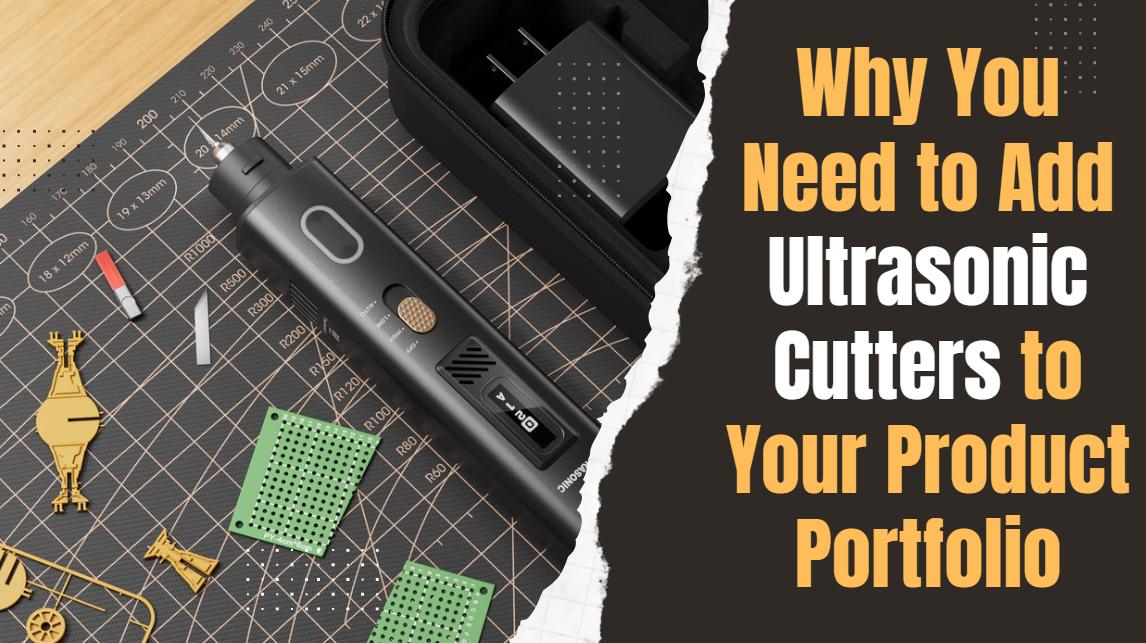
Why Distributors Are Adding Ultrasonic Cutters to Their Product Portfolio

According to research, the global DIY tools market was valued at USD 940.42 billion in 2024 and is expected to reach USD 1238.36 billion by 2032, growing at a steady CAGR of 3.50%.[1] The growth represents a valuable market opportunity for distributors alike.

Specifically, many distributors still have not introduced ultrasonic cutters into their product portfolios, despite the growing need for precision cutting solutions in DIY, crafting, and model making. This gap presents a way to expand business scope and create new revenue streams.

What an Ultrasonic Cutter Is

An ultrasonic cutter knife uses high-frequency vibration instead of blade pressure to slice through material. The blade oscillates tens of thousands of times per second, so the tool almost melts its way through a surface. That means less pressure, less mess, and a lot less effort from the person holding it.

In practice, an ultrasonic cutter knife can handle well materials such as foam, resin, plastic, fabric, rubber, and even wood or metal.

If a distributor’s customer base already buys hobby knives, model kits, or craft supplies, a handheld ultrasonic cutter fits right into that lineup. It’s not a hard sell to a new market but an upgrade sell to a market that already exists.

Why Hobbyists Want an Ultrasonic Cutter

Ask any modeler or crafter what frustrates them about scissors or a craft knife and you’ll hear some version of the same complaints: rough edges, material deformation, fraying fabrics, etc. These issues create additional finishing work and reduce the overall quality of the final piece.

An ultrasonic cutter addresses many of these issues. Because the blade vibrates rather than pushes through materials, it produces cleaner edges, prevents fraying, and avoids the scorching and discoloration that often occur when using hot-wire cutting tools.

Fine control also gets a lot easier. A handheld ultrasonic cutter provides a high level of precision and reduces hand fatigue during long work sessions, making it particularly appealing to advanced hobbyists and serious makers.

This growing demand is also reflected in market data. The global handheld ultrasonic cutter market was valued at USD 50.4 million in 2024 and is projected to reach USD 69 million by 2032.[2] It confirms that consumer appetite for this category is on the rise, not fading.

How Distributors Can Successfully Sell Ultrasonic Cutters

To fully capitalize on ultrasonic cutters, distributors need a clear go-to-market approach:

1. Product Positioning

Position the ultrasonic cutter as the natural next step up from a traditional craft knife or pair of scissors. Customers already understand the limitations of those basic tools, so the pitch writes itself: same precision work, cleaner results, less physical strain.

2. Pricing Strategy

Ultrasonic cutters typically retail between USD $100 and $300, depending on the model and feature set. That places the product in the considered-purchase tier, meaning buyers will compare features before committing, but it’s not a price point that scares off serious hobbyists. For specific retail and wholesale pricing guidance, it’s worth consulting directly with the manufacturer, since figures can shift with material costs and accessory bundles.

3. Sales Strategy

Bundling drives real value here. Pair the ultrasonic cutter with complementary accessories such as a rotatable cutting support stand, a heat-resistant cutting mat, and a parts storage box. This increases average order value and gives new buyers a more complete starter kit rather than a single tool sitting alone on a shelf.

4. Operational Strategies

Supply reliability matters just as much as the product itself. Partnering with an established manufacturer like Jakemy helps distributors maintain consistent product quality, certification compliance, and stable supply chains, all of which reduce operational headaches.

JM-Y10 and JM-Y10 Pro: A Proven Opportunity for Distributors

At Jakemy, we provide reliable ultrasonic cutting solutions for distributors looking to expand their tool portfolios. Our JM-Y10 series attracted over 3,000 backers during its Kickstarter crowdfunding campaign, highlighting strong consumer recognition and interest in our precision cutting solution.

Both JM-Y10 and JM-Y10 Pro Ultrasonic Cutter & Polisher share the same core power system and cutting performance. The Pro version adds an extended blade set for more specialized cutting and polishing tasks. Some of their key specifications are shown below.

Specification
JM-Y10/JM-Y10 Pro
Power Output
35W
Vibration Frequency
40kHz
Power Source
Corded (Type-C), no battery
Handle Material
Aluminum alloy
Blade Material
SK5 high carbon steel
MOQ
100 pcs
OEM/ODM Support
Yes

Conclusion

The data backs it up, the demand is proven, and the product gap in distributor catalogs is real. Ultrasonic cutters give distributors a chance to serve hobbyists better while opening up a new revenue stream that pairs naturally with existing tool and craft categories.

If you’re a distributor or retailer looking to bring the JM-Y10 or JM-Y10 Pro into your product mix, reach out to Jakemy directly to discuss wholesale pricing, OEM/ODM options, and available accessory bundles.


Reference

https://www.databridgemarketresearch.com/reports/global-do-it-yourself-diy-tools-market

https://www.intelmarketresearch.com/handheld-ultrasonic-cutter-market-6433

View More

Contact Us

Let Us Know How We Can Help

Fill up the form and our Team will get back to you within 24 hours.

Wanke Li Hardware Factory No.1 Huanzhen East Road, Yanbu, Dali Town, Nanhai District, Foshan City, Guangdong Province, China