
According to research, the global DIY tools market was valued at USD 940.42 billion in 2024 and is expected to reach USD 1238.36 billion by 2032, growing at a steady CAGR of 3.50%.[1] The growth represents a valuable market opportunity for distributors alike.
Specifically, many distributors still have not introduced ultrasonic cutters into their product portfolios, despite the growing need for precision cutting solutions in DIY, crafting, and model making. This gap presents a way to expand business scope and create new revenue streams.
What an Ultrasonic Cutter Is
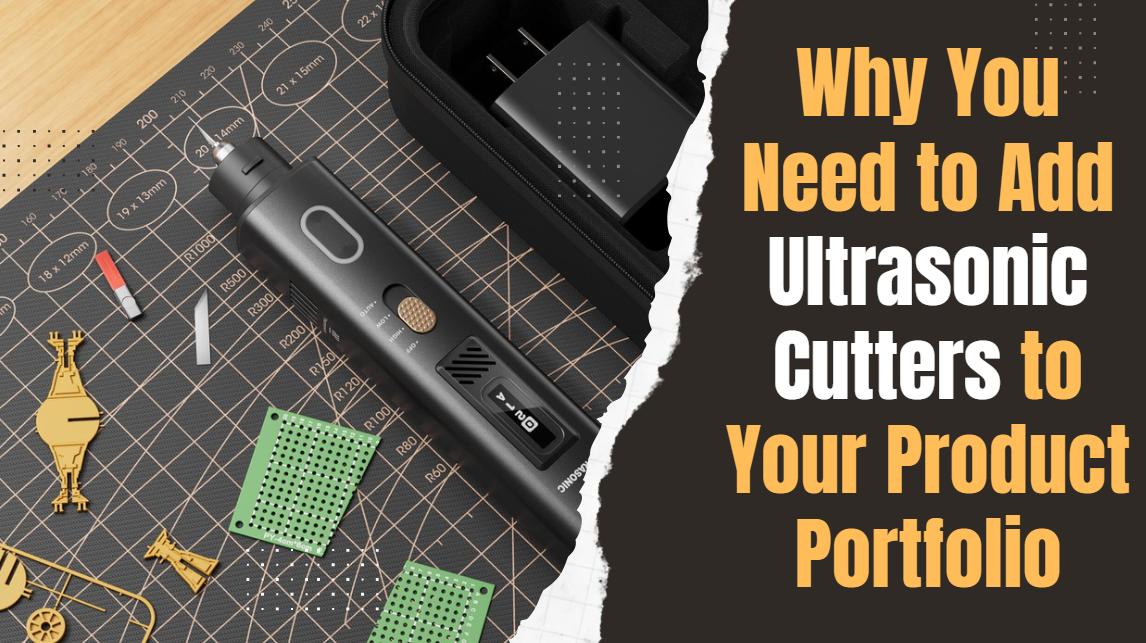
An ultrasonic cutter knife uses high-frequency vibration instead of blade pressure to slice through material. The blade oscillates tens of thousands of times per second, so the tool almost melts its way through a surface. That means less pressure, less mess, and a lot less effort from the person holding it.
In practice, an ultrasonic cutter knife can handle well materials such as foam, resin, plastic, fabric, rubber, and even wood or metal.
If a distributor’s customer base already buys hobby knives, model kits, or craft supplies, a handheld ultrasonic cutter fits right into that lineup. It’s not a hard sell to a new market but an upgrade sell to a market that already exists.
Why Hobbyists Want an Ultrasonic Cutter
Ask any modeler or crafter what frustrates them about scissors or a craft knife and you’ll hear some version of the same complaints: rough edges, material deformation, fraying fabrics, etc. These issues create additional finishing work and reduce the overall quality of the final piece.
An ultrasonic cutter addresses many of these issues. Because the blade vibrates rather than pushes through materials, it produces cleaner edges, prevents fraying, and avoids the scorching and discoloration that often occur when using hot-wire cutting tools.
Fine control also gets a lot easier. A handheld ultrasonic cutter provides a high level of precision and reduces hand fatigue during long work sessions, making it particularly appealing to advanced hobbyists and serious makers.
This growing demand is also reflected in market data. The global handheld ultrasonic cutter market was valued at USD 50.4 million in 2024 and is projected to reach USD 69 million by 2032.[2] It confirms that consumer appetite for this category is on the rise, not fading.
How Distributors Can Successfully Sell Ultrasonic Cutters
To fully capitalize on ultrasonic cutters, distributors need a clear go-to-market approach:
1. Product Positioning
Position the ultrasonic cutter as the natural next step up from a traditional craft knife or pair of scissors. Customers already understand the limitations of those basic tools, so the pitch writes itself: same precision work, cleaner results, less physical strain.
2. Pricing Strategy
Ultrasonic cutters typically retail between USD $100 and $300, depending on the model and feature set. That places the product in the considered-purchase tier, meaning buyers will compare features before committing, but it’s not a price point that scares off serious hobbyists. For specific retail and wholesale pricing guidance, it’s worth consulting directly with the manufacturer, since figures can shift with material costs and accessory bundles.
3. Sales Strategy
Bundling drives real value here. Pair the ultrasonic cutter with complementary accessories such as a rotatable cutting support stand, a heat-resistant cutting mat, and a parts storage box. This increases average order value and gives new buyers a more complete starter kit rather than a single tool sitting alone on a shelf.
4. Operational Strategies
Supply reliability matters just as much as the product itself. Partnering with an established manufacturer like Jakemy helps distributors maintain consistent product quality, certification compliance, and stable supply chains, all of which reduce operational headaches.
JM-Y10 and JM-Y10 Pro: A Proven Opportunity for Distributors
At Jakemy, we provide reliable ultrasonic cutting solutions for distributors looking to expand their tool portfolios. Our JM-Y10 series attracted over 3,000 backers during its Kickstarter crowdfunding campaign, highlighting strong consumer recognition and interest in our precision cutting solution.
Both JM-Y10 and JM-Y10 Pro Ultrasonic Cutter & Polisher share the same core power system and cutting performance. The Pro version adds an extended blade set for more specialized cutting and polishing tasks. Some of their key specifications are shown below.
|
Specification
|
JM-Y10/JM-Y10 Pro
|
|---|---|
|
Power Output
|
35W
|
|
Vibration Frequency
|
40kHz
|
|
Power Source
|
Corded (Type-C), no battery
|
|
Handle Material
|
Aluminum alloy
|
|
Blade Material
|
SK5 high carbon steel
|
|
MOQ
|
100 pcs
|
|
OEM/ODM Support
|
Yes
|
Conclusion
The data backs it up, the demand is proven, and the product gap in distributor catalogs is real. Ultrasonic cutters give distributors a chance to serve hobbyists better while opening up a new revenue stream that pairs naturally with existing tool and craft categories.
If you’re a distributor or retailer looking to bring the JM-Y10 or JM-Y10 Pro into your product mix, reach out to Jakemy directly to discuss wholesale pricing, OEM/ODM options, and available accessory bundles.
Reference
https://www.databridgemarketresearch.com/reports/global-do-it-yourself-diy-tools-market
https://www.intelmarketresearch.com/handheld-ultrasonic-cutter-market-6433