
A technician can have the correct screwdriver and opening tools but still struggle when handling a tiny connector, wire, or loose component inside a smartphone. Tweezers help bridge that gap, allowing small parts to be picked up and positioned where fingers are too large or imprecise. However, not all tweezers suit the same repair tasks. For repair shops, distributors, and tool retailers, choosing the right type means evaluating tip design, alignment, grip, and compatibility with the intended workflow. At Jakemy, we develop mobile phone repair tools as part of a broader precision-tool range, and we recommend assessing tweezers by how they perform in real working conditions.
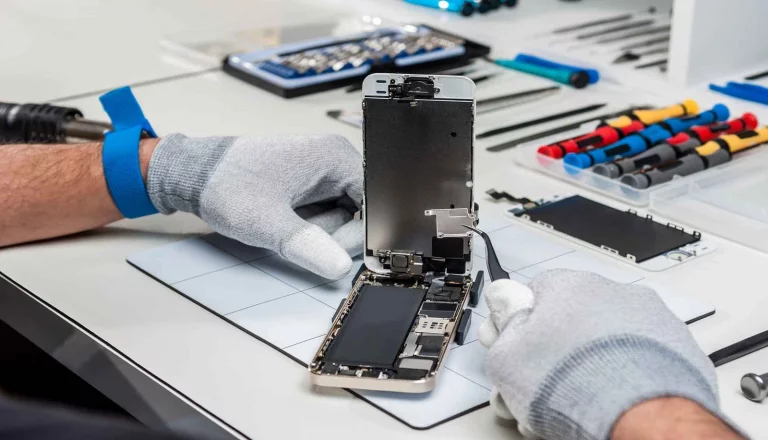
1.Which Tip Shape Is Best for Mobile Phone Repair?
The tip is the first feature buyers should examine because it determines how the tweezers contact a component.
Pointed tweezers provide access to small spaces and can help technicians pick up tiny parts. They are useful when precision matters, but an excessively sharp or poorly aligned tip can scratch surfaces or damage delicate items if handled carelessly.
Curved tweezers offer a different advantage: the angled tip can improve visibility and access when components are partly obscured by surrounding structures. They may be useful for positioning small parts without placing the technician’s hand directly above the work area.
Flat or broad tips can provide a larger contact area when handling suitable components, although they may be less practical in narrow gaps.
For buyers, there is no single tip shape that covers every task. Consider the most common repairs your customers perform, then choose a configuration that matches those requirements. A repair shop handling varied smartphone models may benefit from keeping more than one tweezer style available.
2.Why Do Tip Alignment and Grip Matter?
A tweezer’s tips should meet evenly when gently closed. If one side sits higher than the other or the tips cross unexpectedly, the tool may grip a component unevenly. This can make delicate handling more difficult and increase the chance of dropping a small part.
During sample evaluation, close the tweezers slowly and inspect the contact points. Check whether the tips meet consistently, whether the arms return smoothly after release, and whether the tool can hold a small test object without excessive squeezing.
Grip tension is also important. Tweezers that are too stiff may tire the user’s hand during repeated work, while an overly loose tool may offer insufficient control. The ideal balance depends on the user’s technique and the components being handled.
At Jakemy, we encourage professional buyers to assess these details rather than relying only on appearance or product descriptions. When comparing Jakemy tweezers mobile repair options, consider how tip alignment and handling feel during actual bench work, not just whether the tool looks precise.
3.What Material and Surface Features Should Buyers Check?
Material affects a tweezer’s rigidity, resistance to wear, and suitability for particular working environments. Buyers should check the manufacturer’s specifications instead of assuming that all metal tweezers share the same properties.
The working environment matters too. Technicians handling electronic components may need to consider electrostatic discharge (ESD) precautions. If the repair process requires ESD-safe tools, verify that the tweezers are explicitly specified and tested for that purpose. A metal appearance alone does not establish ESD suitability.
Also inspect the surface finish and edges. Rough areas or burrs can affect handling, while damaged or bent tips may reduce precision. For businesses buying in quantity, checking samples from the intended product batch can help establish whether the tool meets the required standard.
These checks are particularly relevant to distributors serving professional repair customers. Clear material and performance information makes it easier to recommend the correct tool and avoid unsupported claims in product listings.
4.Should Tweezers Be Purchased Separately or in a Repair Kit?
The answer depends on how your customers organize their tools. Standalone tweezers make sense when technicians need to replace a frequently used tool or select a specialized tip shape. Bundled kits may be more practical for new repair benches, retailers building complete tool offerings, or businesses that prefer to source multiple accessories together.
For example, Jakemy’s JM-8139 47-in-1 precision electronics repair set includes curved-tip tweezers alongside screwdriver bits, a suction cup, opening tools, an extension bar, and other accessories. The JM-8189B 32-in-1 precision screwdriver set also includes tweezers with its screwdriver handle and 30 CR-V bits. These examples show how tweezers can form part of a broader repair solution rather than being sold only as an isolated tool.
When evaluating a bundled set, check the included tweezer type and the rest of the configuration. A kit is useful only when its accessories match the work being performed. Avoid choosing a product based on total piece count without confirming what those pieces actually are.
5.What Should B2B Buyers Consider Before Ordering?
For wholesalers, retailers, and repair-tool suppliers, product selection should balance practical performance with commercial requirements.
Start by identifying the customer group: independent mobile repair shops, electronics service centers, training facilities, or general tool retailers may have different needs. Then compare the tweezer styles, material specifications, packaging, and any supporting tools included in the product.
Sample evaluation is especially valuable for precision tools. It allows your team to check tip alignment, grip tension, comfort, and storage before committing to a larger order. Buyers should also confirm current minimum order quantities, lead times, packaging options, and customization availability directly with the supplier.
At Jakemy, we provide precision screwdriver kits, mobile phone repair tools, accessories, and OEM/ODM services for business customers. If you are sourcing Jakemy tweezers mobile repair products for distribution, discuss your target market and product requirements with our team so the proposed configuration can be assessed against your needs.
Choose for Precision, Not Appearance Alone
The right repair tweezers should fit the components being handled, provide consistent tip contact, and offer manageable grip tension. Material and ESD requirements should be checked against the actual repair environment, while the decision between standalone tools and bundled kits should reflect how customers work.
At Jakemy, we believe these practical details are more useful than choosing a tweezer simply because it looks fine or carries a professional label. For B2B buyers, a well-matched tool can strengthen a repair-tool assortment and make product recommendations more precise. Start with your customers’ real repair tasks, verify the specifications, and choose the configuration that supports those needs.