
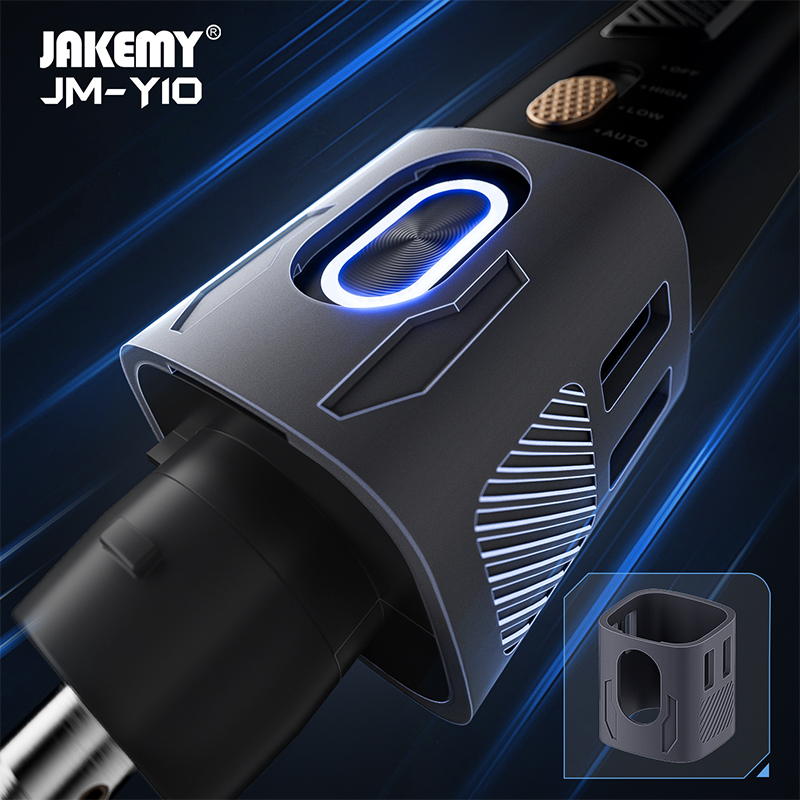
In modern manufacturing environments, we often introduce controlled cutting methods that allow operators to handle delicate materials with greater stability. At Jakemy, we design training guidance that helps beginners understand vibration based cutting behavior in a structured way. In early practice sessions, the JM-Y10 Ultrasonic Cutter is introduced as a reference tool for learning how ultrasonic energy interacts with thin plastics and composite surfaces. We focus on clear operational steps, stable hand movement, and gradual skill building so that teams can adapt to real production requirements. We also encourage short observation intervals during practice so operators can better understand material response changes over repeated passes. These steps help build foundational control skills in early training environments.
Initial Setup and Handling Basics
In our training process, we recommend preparing a stable workstation before operating ultrasonic cutting tools, ensuring that material surfaces remain clean and properly aligned. The JM-Y10 Ultrasonic Cutter is typically used during early learning stages where operators practice positioning the tool at a controlled angle and applying light movement across the surface. We emphasize gradual speed adjustment and short practice cycles so that users can observe how vibration affects different material thickness levels. Proper hand positioning and consistent motion help reduce uneven edges and support predictable results during initial sessions. Operators are advised to repeat the same motion patterns until consistent results are achieved across multiple practice attempts. This approach supports smoother adaptation to different material behaviors encountered production tasks.
Operational Stability Practices
We observe that effective ultrasonic cutting depends on consistent attention to material response during each operation. Operators are encouraged to maintain a steady grip and avoid applying excessive pressure, as this may affect cutting accuracy. Sample testing on small pieces helps identify how different composites respond under vibration. Workstations should remain free from unnecessary movement to maintain stable conditions. Regular cleaning of tool heads and inspection of wear conditions support consistent performance. Recording adjustments during practice sessions helps teams refine techniques and reduce variation in later production use. Teams can benefit from reviewing recorded observations to improve consistency across future training cycles. Small adjustments based on feedback often help reduce variation in repeated operational use sessions over time.
Conclusion: Practical Learning Overview
In our experience, structured ultrasonic cutting training helps teams improve handling consistency across different production scenarios. At Jakemy, we integrate step by step learning methods that allow operators to gradually adapt to vibration based tools and material behavior. The JM-Y10 Ultrasonic Cutter is referenced during training to demonstrate controlled cutting principles for thin composite processing. We also support inquiry based communication where users can submit required product details through our official contact channel without using any shopping cart system, enabling clear communication between technical teams and customers. We continue to refine training documentation based on field feedback from different production environments. This helps ensure that operators can follow structured steps with improved clarity during practical application consistently over time.