
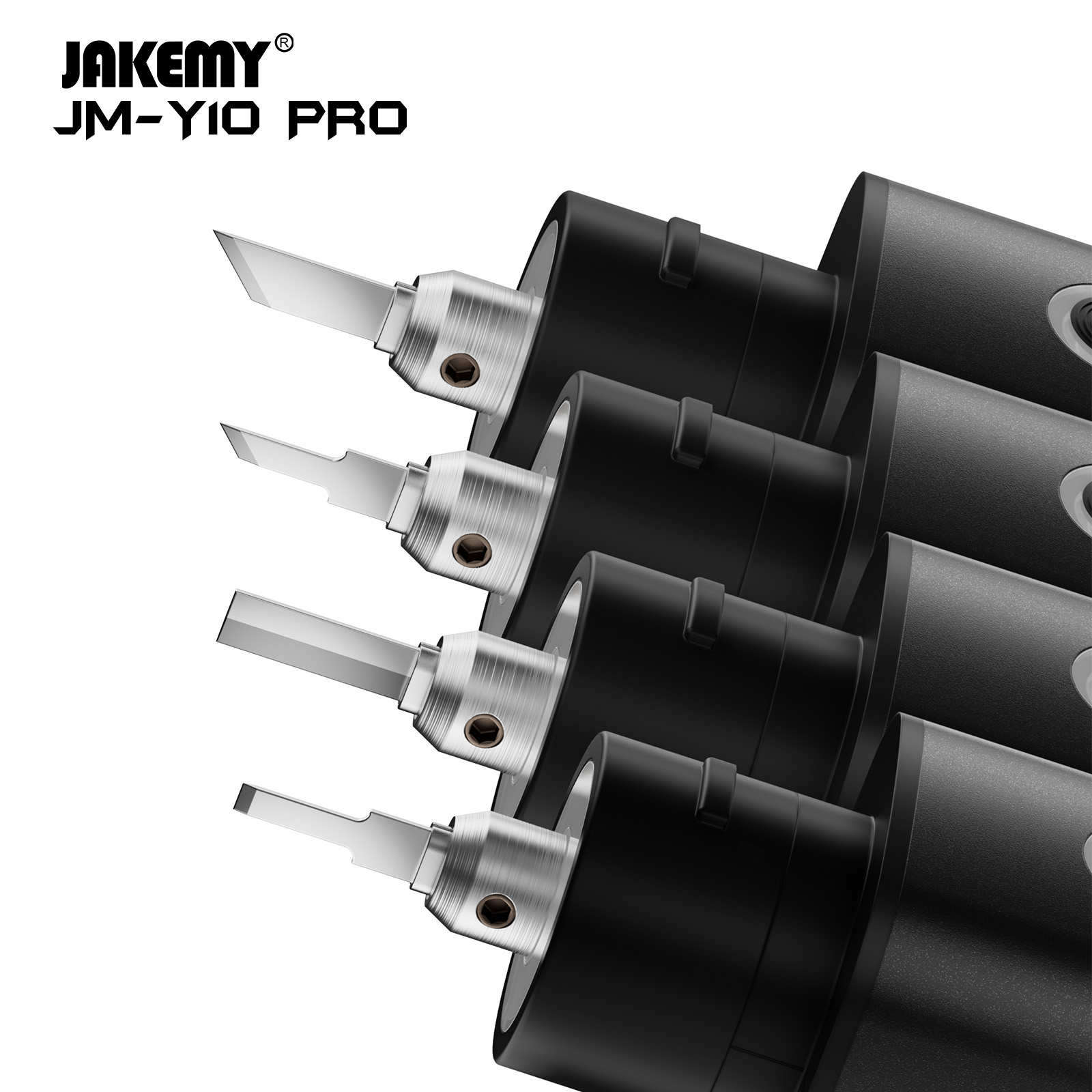
High-speed ultrasonic cutting tools are widely used in industrial processing environments where precision and stability are required. When working with devices such as the JM-Y10 Ultrasonic Cutter, operators need to understand that the vibration frequency and blade movement require careful handling to reduce operational risks. At Jakemy, we focus on providing tools designed for structured use in professional environments, and we emphasize safe working procedures from the beginning of equipment introduction. Safety awareness is not only about protecting operators but also about maintaining consistent cutting performance across different materials. In practical applications, preparation before use, stable grip techniques, and controlled working angles are essential factors that help reduce unexpected incidents and improve operational reliability over time in daily production tasks.
Risk Awareness in Cutting Operations
When operating high-speed ultrasonic tools, we emphasize a structured approach to risk awareness. Operators should confirm that the blade is properly installed and that no visible damage exists before activation. Devices like the JM-Y10 Ultrasonic Cutter require stable electrical input and controlled handling to maintain consistent vibration output during use. We also advise keeping hands clear of the cutting path and ensuring that materials are firmly secured on the work surface. Personal protective measures, such as suitable gloves and eye protection, are part of our recommended practice in industrial settings. Regular inspection of the tool housing and connection points helps reduce mechanical issues. By maintaining a disciplined workflow, operators can minimize unexpected interruptions and improve process stability in daily operations.
Material Handling and Control Techniques
In industrial cutting environments, proper material handling plays a key role in achieving consistent results. We recommend positioning the workpiece on a stable platform to reduce vibration transfer during operation. At Jakemy, we design our tools with ergonomic considerations, using ABS, TPR, and TPU materials to support stable grip performance in extended use scenarios. Operators should adjust cutting speed according to material density and avoid applying excessive force, as ultrasonic systems rely on controlled vibration rather than pressure. Maintaining a clean working surface also helps prevent debris interference. Before starting any task, we verify that the cutting path is clear and that the tool is functioning within expected parameters to ensure stable output throughout the process in controlled industrial environments.
Conclusion
Safe operation of high-speed ultrasonic cutting equipment depends on consistent attention to handling techniques, material preparation, and equipment inspection. We encourage operators to follow structured procedures that reduce unnecessary risks while maintaining stable performance across different applications. The JM-Y10 Ultrasonic Cutter is one of the solutions we provide at Jakemy, designed for controlled industrial use where precision handling is required. Its structure supports stable vibration output when used according to recommended practices, helping operators maintain predictable workflow behavior. For teams seeking more technical details, we provide product information through our official channel, where inquiries can be submitted by filling in contact details and required specifications. By integrating safety awareness into daily tasks, we support operational environments over time.